For project engineers managing highway construction in remote, high-altitude regions during 2026, the simultaneous deployment of an asphalt hot mix plant, asphalt emulsification equipment, and an asphalt recycling plant represents a fundamentally different risk management posture than single-system production dependency. When bitumen supply chains are vulnerable to extreme weather disruption and fuel shortages compound material access challenges, this diversified production architecture provides the operational continuity that isolated equipment configurations cannot sustain through the volatile conditions high-altitude corridor projects regularly impose.
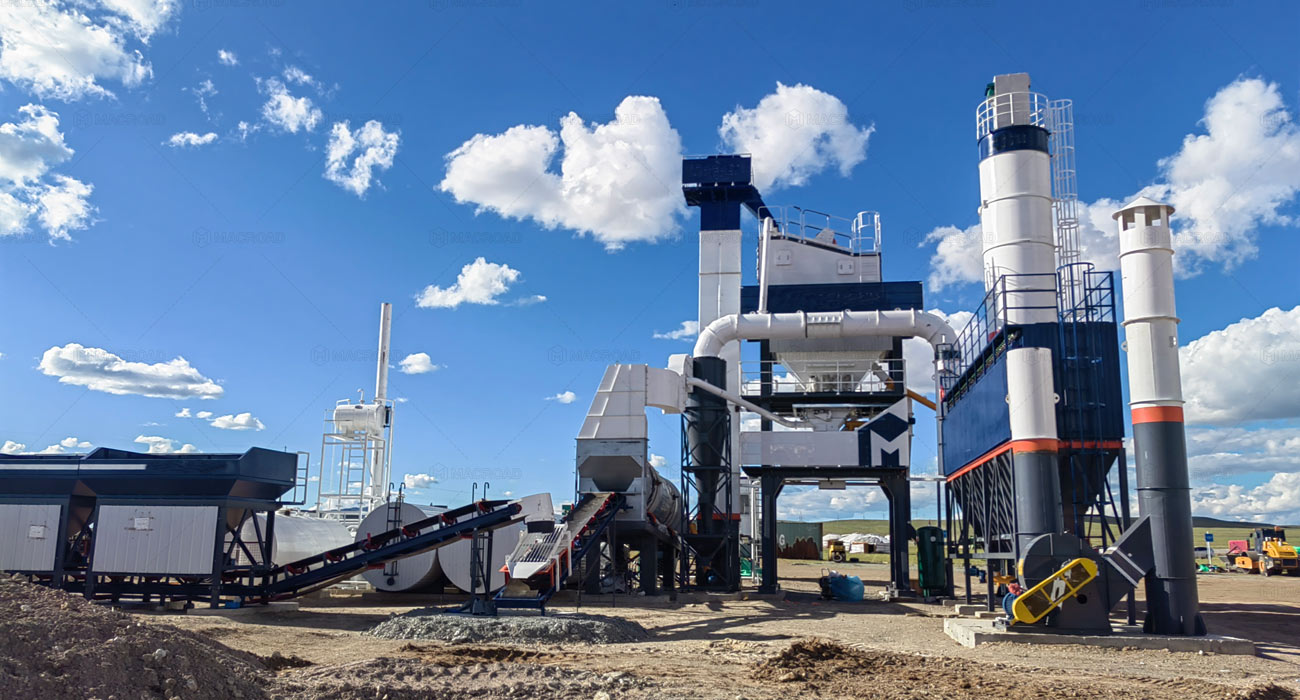
Supply Chain Resilience Through Production Diversification
The core vulnerability of highway construction operations dependent on a single asphalt hot mix plant in remote high-altitude environments is the direct exposure to bitumen supply interruption. When mountain access routes close due to extreme weather — a recurring operational reality at elevation — virgin bitumen deliveries cease entirely, halting hot mix production regardless of equipment readiness or crew availability. Projects with no alternative production capability absorb this interruption as unrecoverable schedule loss that compounds with each subsequent weather event across a construction season.
Integrating asphalt emulsification equipment alongside the primary asphalt hot mix plant introduces a parallel production pathway that operates from significantly lower bitumen volumes than continuous hot mix production demands. Cold-patch emulsions produced on-site allow maintenance and repair work to continue through supply disruption periods — preserving crew productivity, maintaining pavement surface condition on completed sections, and sustaining contractual progress evidence during windows when hot mix production is suspended.
Specifically, emulsification equipment capable of processing locally sourced bitumen stocks at lower application temperatures reduces the fuel consumption per ton of usable material produced — a meaningful operational advantage when fuel shortage compounds bitumen scarcity during extended weather-driven access interruptions. Project engineers should evaluate asphalt emulsification equipment specifications against the emulsion types required for high-altitude temperature conditions, where standard emulsion break rates require adjustment to remain workable at reduced ambient temperatures.
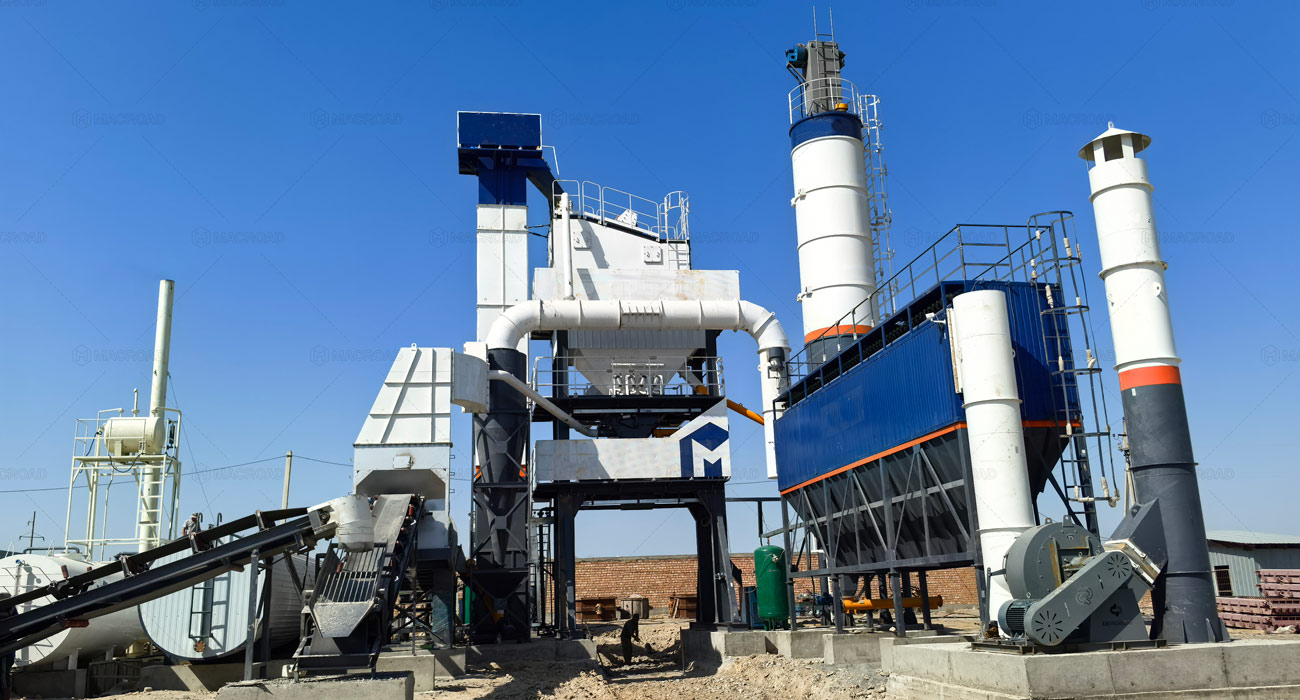
Asphalt Recycling Plant Integration and Material Independence
Deploying a mobile asphalt recycling plant alongside the primary production systems introduces the most structurally significant supply chain risk reduction in the diversified production setup: the capacity to generate usable mix components from existing pavement material recovered during earthworks, widening operations, or scheduled resurfacing of adjacent completed sections. This on-site material recovery converts demolition waste into a production input — reducing virgin aggregate and bitumen demand simultaneously while maintaining output volume.
The interaction between the asphalt recycling plant and the asphalt hot mix plant creates a material efficiency loop that becomes increasingly valuable as project duration extends and cumulative supply chain disruption exposure accumulates. Recycled asphalt pavement processed through the mobile recycling unit feeds the hot mix plant drum as a partial aggregate and residual binder substitute — reducing the virgin bitumen volume required per ton of finished mix and extending the productive output achievable from each bitumen delivery consignment received under constrained supply conditions.
In light of this, the asphalt recycling plant specification for high-altitude deployment should prioritize RAP processing capability at reduced ambient temperatures, where aged binder reactivation requires more precise thermal management than standard elevation conditions demand. Manufacturers with documented high-altitude recycling performance data provide project engineers with the application-specific evidence base needed to validate recycling system selection against the thermal conditions the project will actually impose.
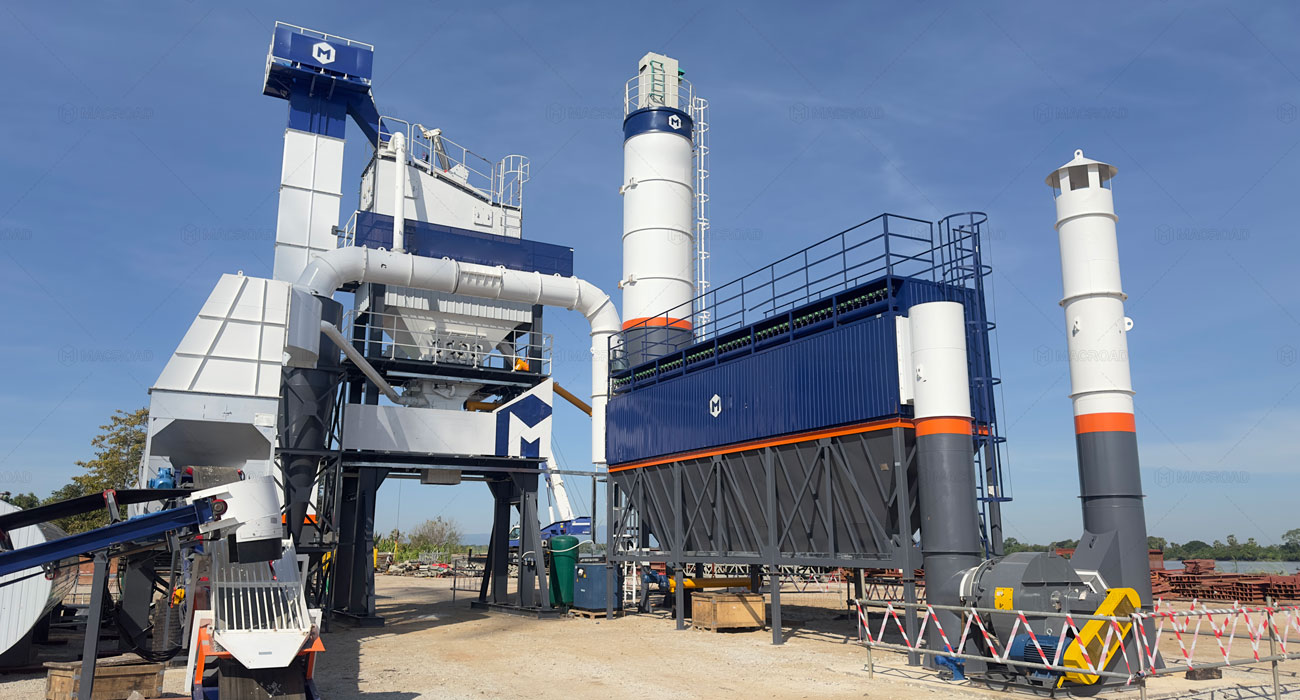
Emulsification, Hot Mix Coordination, and Weather Transition Management
The operational coordination between asphalt emulsification equipment and the primary asphalt hot mix plant during rapid weather transitions represents the production management challenge that most directly determines highway construction schedule performance in high-altitude environments. As deteriorating weather reduces the thermal window available for hot mix laydown, transitioning production toward emulsion-based cold patch application — deployable at lower surface temperatures without the compaction timing constraints hot mix imposes — preserves crew and equipment utilization through conditions that would otherwise force complete production suspension.
This production mode flexibility requires advance planning of equipment positioning, material inventory management, and crew allocation protocols that allow seamless transition between hot mix and emulsion production without the setup delays that ad-hoc equipment reconfiguration generates. Project engineers who integrate transition management procedures into their production planning frameworks extract the full schedule resilience value that the diversified equipment deployment provides — rather than treating the asphalt emulsification equipment as emergency backup activated only after hot mix production has already been suspended.
Conclusion
The simultaneous deployment of an asphalt hot mix plant, asphalt emulsification equipment, and a mobile asphalt recycling plant provides remote high-altitude highway construction projects with a supply chain resilience architecture that single-system operations cannot replicate. Production diversification reduces virgin bitumen dependency, material recycling extends usable output from constrained supply volumes, and emulsion production capability preserves crew productivity through weather transitions that interrupt hot mix operations. For project engineers in 2026, this integrated production posture converts supply chain volatility from an unmanageable schedule risk into a manageable operational variable.