For many construction firms in Peru, moving from purchasing local concrete to owning a dedicated concrete plant is a landmark milestone. However, the transition from local procurement to international equipment importation is fraught with logistical and regulatory complexities. Whether you are supporting a mining project in the Andes or a residential development in Lima, the journey from selection to final installation requires a strategic roadmap. This guide outlines the critical checkpoints for Peruvian customers to ensure their investment in a concrete plant Peru(planta de concreto Perú) becomes a pillar of productivity rather than a logistical nightmare.
Choosing the Right Configuration: Stationary vs. Mobile Concrete Plant
The first pitfall many importers face is selecting a plant based on price rather than the specific geographical demands of their project site. Peru’s diverse topography—ranging from coastal deserts to high-altitude mountain ranges—drastically affects equipment performance.
When to Opt for a Ready Mix Concrete Plant
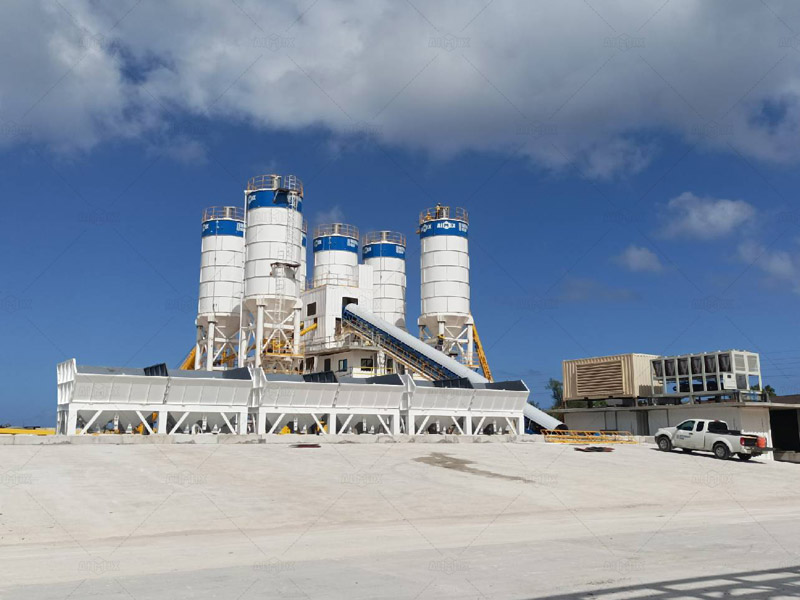
For long-term urban projects or large-scale industrial works, a stationary ready mix concrete plant is often the superior choice. These plants offer higher production capacities (ranging from 60m³/h to 180m³/h) and greater structural stability. However, they require significant foundation work and a more complex installation process. Importers must ensure they have the land permits and civil engineering plans ready before the equipment arrives at the Port of Callao.
The Rise of the Mobile Concrete Plant in Remote Areas
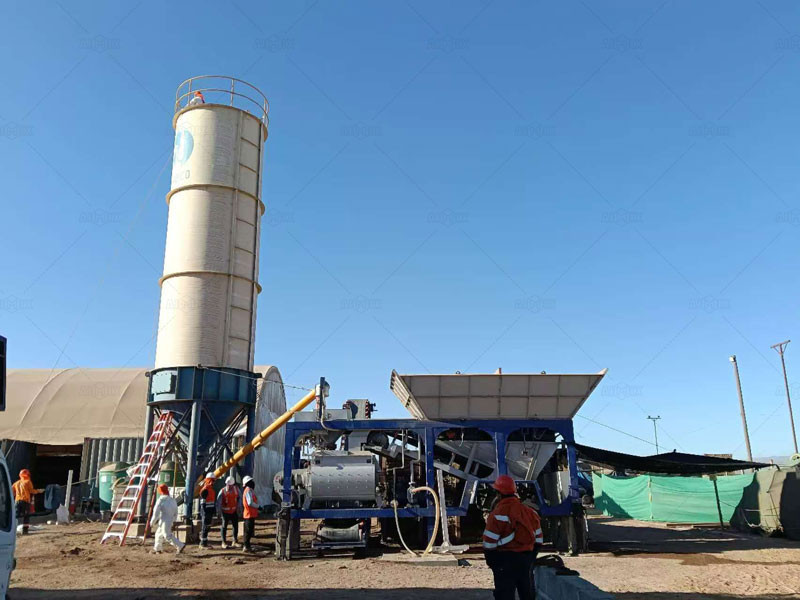
In contrast, if your project is located in the rugged Sierra or the jungle, a mobile concrete plant is frequently the more viable option. These units are designed for rapid deployment and require minimal foundation work. The ability to relocate the concrete plant(planta de hormigón) as the project progresses is invaluable for road construction and remote mining operations. When selecting a mobile unit, verify that the towing dimensions are compatible with Peru’s narrow mountain roads and bridge weight limits.
Navigating SUNAT and Peruvian Customs Regulations
One of the most common causes of project delays is the “customs trap.” Failing to account for the specific documentation required by the National Superintendency of Customs and Tax Administration (SUNAT) can lead to hefty storage fees or even the seizure of equipment.
Essential Documentation Checklist
- Commercial Invoice: Must accurately reflect the FOB value to avoid reassessment by SUNAT.
- Bill of Lading (B/L): Ensure all technical specifications match the physical cargo.
- Certificate of Origin: Crucial for taking advantage of Free Trade Agreements (FTAs) to reduce or eliminate ad valorem duties.
- Technical Datasheets: Required for the classification of the machinery’s HS Code.
In 2026, Peru maintains a tiered tariff system. While many types of heavy machinery benefit from a 0% duty rate under specific trade agreements, the 18% IGV (Value Added Tax) still applies to the total CIF (Cost, Insurance, and Freight) value. Budgeting for these “hidden” costs upfront prevents cash flow interruptions during the clearing process.
Selection Criteria: Engine Performance and Material Compatibility
A concrete plant that works perfectly at sea level may struggle in the Peruvian highlands. The thinner air at high altitudes (above 3,000 meters) can reduce engine efficiency by up to 20-30%. If your concrete plant Peru project is in the mountains, insist on turbocharged engines for your loaders and ensure the plant’s electrical systems are rated for the local grid stability.
Aggregate and Cement Chemistry
Peruvian aggregates can vary significantly in moisture content and abrasive qualities. A common pitfall is purchasing a plant with standard liners that wear out prematurely when exposed to the hard volcanic rock common in southern Peru. Request reinforced mixing blades and liners (such as high-chromium alloys) to extend the lifespan of your mixer. Additionally, ensure the weighing sensors are calibrated for the specific cement types available in the local market, such as Portland Type I or IP.
Installation and Technical Support: The Final Hurdle
The arrival of the containers at your site is not the end of the journey; it is the beginning of the most technical phase. Many first-time importers underestimate the complexity of the installation and the need for skilled labor.
Site Preparation and Power Supply
Before the equipment arrives, the site must be leveled, and the power supply must be secured. A ready mix concrete plant(La fábrica de concreto premezclado) requires a stable, high-voltage connection. If your site relies on generators, ensure they have sufficient “surge” capacity to handle the startup of large mixer motors. Inadequate power is the leading cause of control system failures during the commissioning phase.
The Importance of Localized Technical Support
Perhaps the most critical piece of advice for any concrete plant Peru owner is to secure a localized supply chain for wear parts. Relying on international shipping for every belt, sensor, or filter will lead to weeks of downtime. Choose a supplier who either has a local distributor in Lima or provides a comprehensive “startup spare parts kit” that includes everything needed for the first 1,000 hours of operation.
Building a Foundation for Success
Importing a concrete plant into Peru is a strategic move that can dramatically increase your project’s profitability and autonomy. By carefully choosing between a stationary and a mobile concrete plant(una planta de hormigón móvil), preparing your customs documentation meticulously, and accounting for the unique environmental challenges of the Andes, you can avoid the common pitfalls that plague first-time importers. Success in the Peruvian construction sector belongs to those who plan for the terrain as much as they plan for the pour.