Small-scale city road projects in Thailand demand efficiency, cost-effectiveness, and timely delivery. Contractors and municipal authorities often face the dilemma of selecting the right asphalt plant capacity to meet project requirements without over-investing. Among available options, the 60 TPH asphalt plant stands out for its potential to serve small urban road projects. But is it truly sufficient? This article explores the suitability of 60 TPH asphalt plants for Thailand’s small city roads, providing practical insights for contractors, investors, and local authorities.
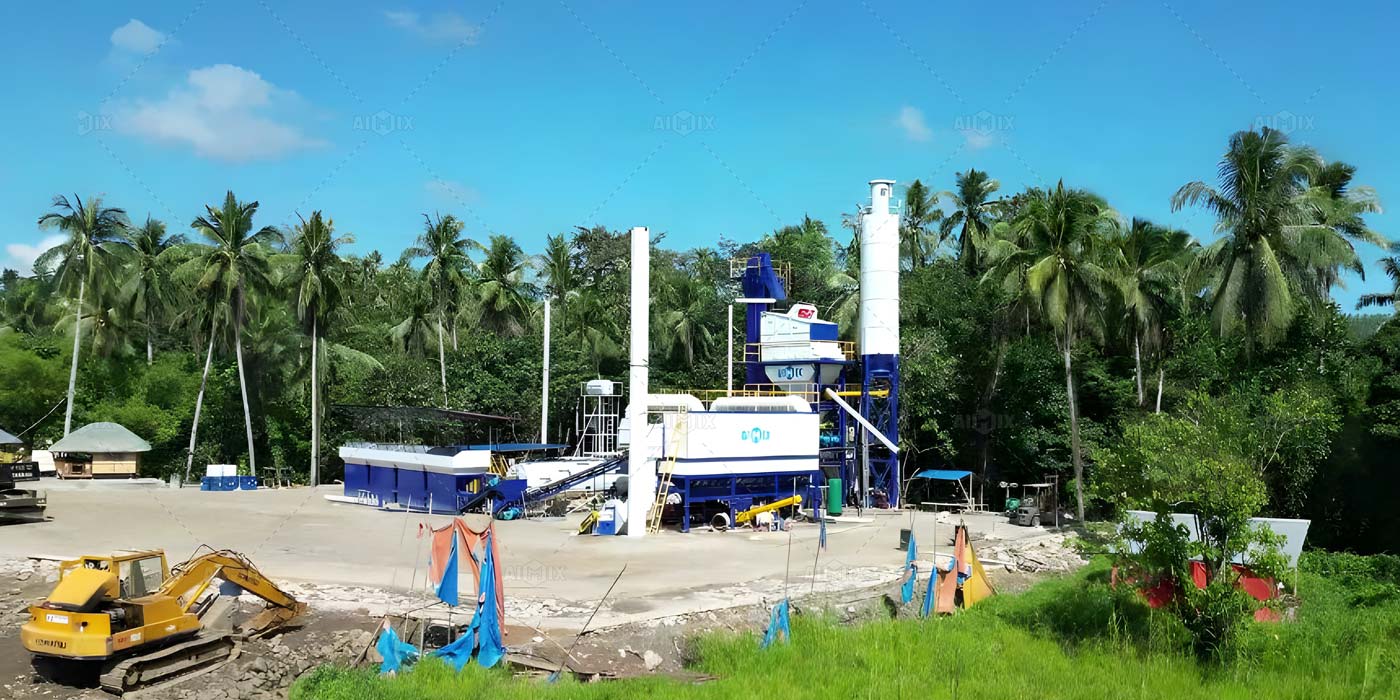
Understanding 60 TPH Asphalt Plants
A 60 TPH asphalt plant refers to a facility capable of producing 60 tons of hot mix plant for sale per hour. This capacity is generally considered medium-small in the asphalt production industry. For small-scale urban projects, this plant type offers several advantages, such as lower investment costs, flexible transportation, and ease of installation. However, understanding the plant’s technical and operational capabilities is crucial before making a decision.
Technical Features That Matter
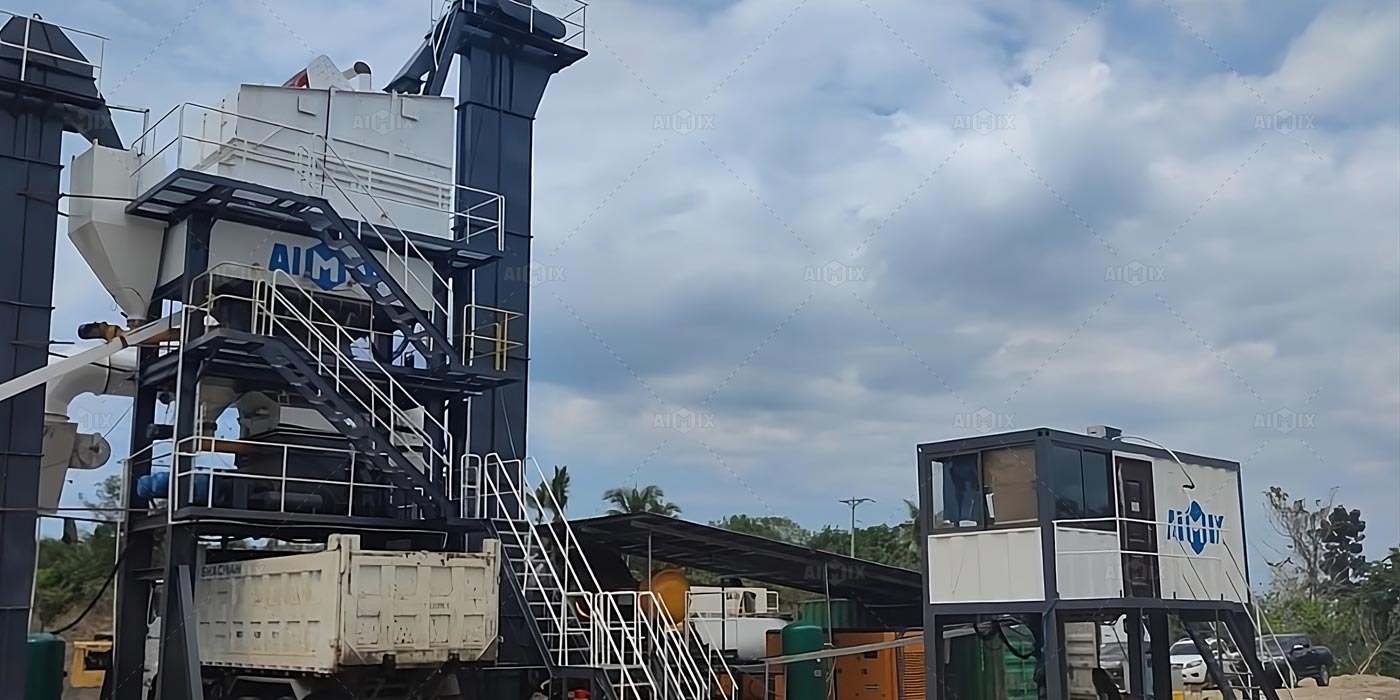
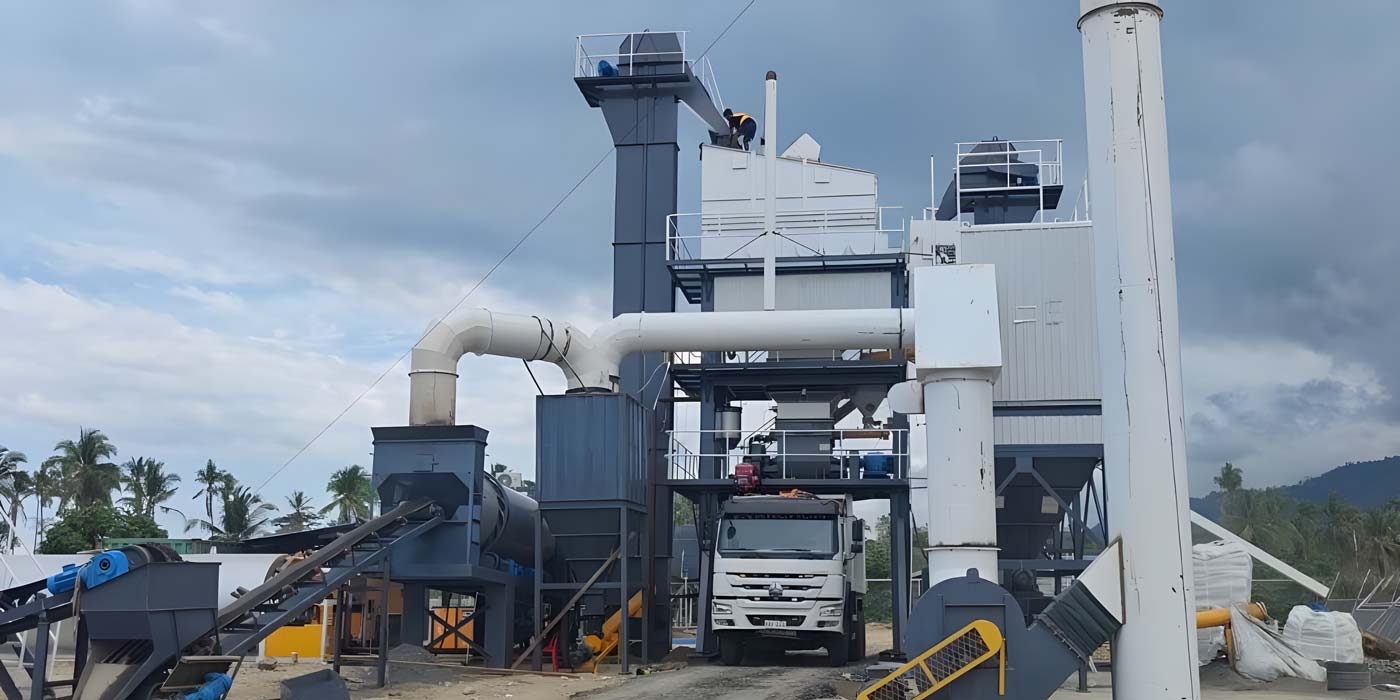
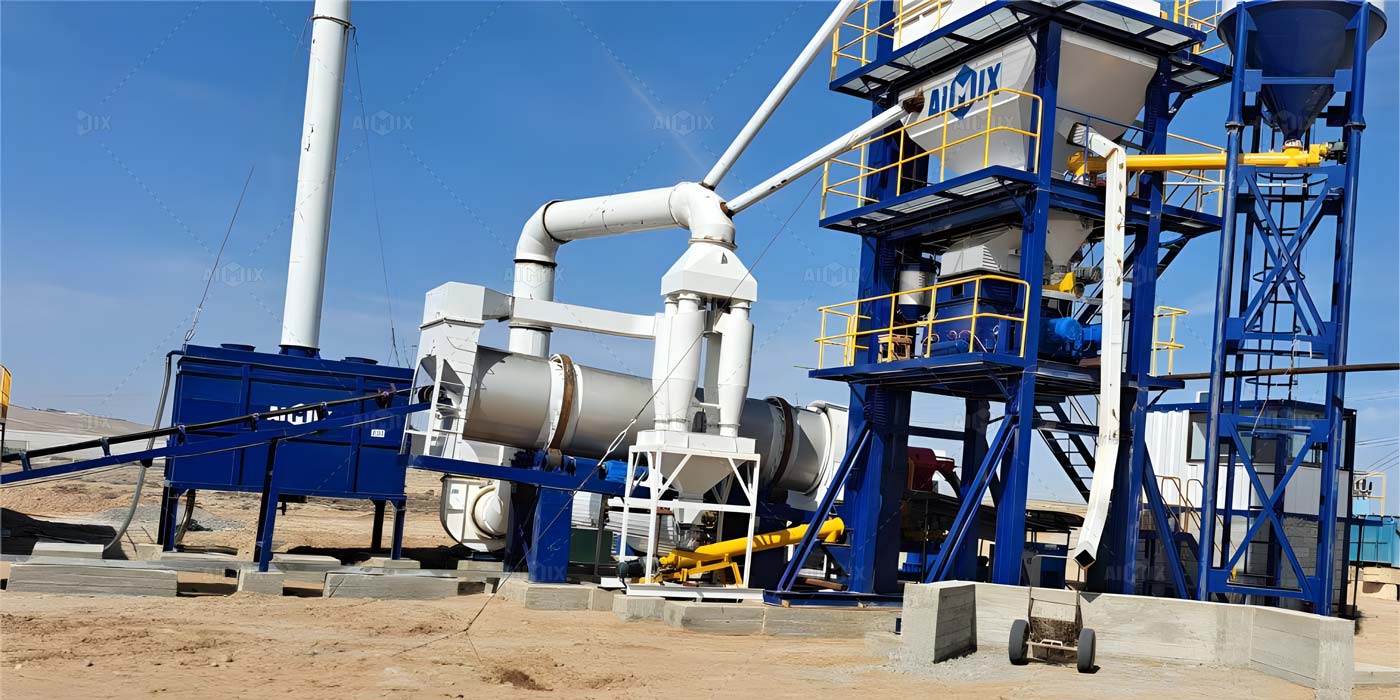
Typically, a 60 TPH asphalt plant includes a cold aggregate feeder, drying drum, burner, hot elevator, vibrating screen, and mixing unit. Advanced models also integrate automated control systems for precise temperature and mix ratio control. These features ensure consistent asphalt quality, which is critical for small-scale city roads where durability and smoothness are key.
Operational Flexibility
Compared to larger plants, a 60 TPH plant is easier to relocate and adjust according to project locations. In Thailand, small city road projects often cover short stretches of 3–10 kilometers, sometimes scattered across districts. The smaller footprint of a 60 TPH plant allows contractors to position the facility closer to project sites, reducing transport time and costs for both hot mix and aggregates.
Assessing Project Requirements
Before deciding on a 60 TPH asphalt plant, contractors need to evaluate their specific project requirements. Key factors include road length, width, thickness, and project duration. These variables directly influence total asphalt demand and daily production needs.
Estimating Asphalt Demand
For a typical small-scale city road in Thailand, assume a 5 km road with a width of 7 meters and asphalt thickness of 5 cm. Calculating the volume:
Volume = Length × Width × Thickness
Volume = 5,000 m × 7 m × 0.05 m = 1,750 m³
Given asphalt density of approximately 2.4 tons/m³, total asphalt required:
Total Asphalt = 1,750 × 2.4 ≈ 4,200 tons
For a 60 TPH plant running 8 hours per day, daily output is 60 × 8 = 480 tons. Therefore, the project can be completed in roughly 9 working days. This calculation demonstrates that a 60 TPH asphalt plant can comfortably meet production requirements for small-scale city road projects.
Project Scheduling and Logistics
Proper scheduling ensures continuous asphalt supply without overstocking or delays. In Thailand, small roads often intersect urban traffic, which complicates transport. Using a 60 TPH plant near the construction site minimizes truck travel and ensures fresh, workable asphalt reaches the paver. Contractors can also adjust production rates according to work shifts and road paving segments, further enhancing efficiency.
Cost and Investment Considerations
One of the main reasons contractors opt for 60 TPH asphalt plants is cost efficiency. Both initial investment and operational expenses are lower than larger plants, making them ideal for limited-budget projects. Evaluating asphalt concrete plant cost in advance helps contractors plan effectively and avoid overspending.
Lower Capital Investment
A 60 TPH asphalt plant typically costs significantly less than a 120 TPH or 160 TPH facility. For small-scale city roads, the lower price means contractors or local authorities can allocate more budget to quality aggregates, labor, or paving equipment rather than plant capacity they may not fully utilize.
Reduced Operational Costs
Smaller plants consume less fuel and electricity, and require fewer operators. Maintenance is simpler, and spare parts are generally more affordable. For Thailand’s urban roads, where construction sites may be compact and constrained, operating a smaller plant also reduces the risk of traffic disruption. Working with best asphalt plant manufacturers ensures reliable performance and low maintenance issues.
Quality Considerations
Meeting road quality standards is essential. The plant’s capacity is just one part of the equation; consistent mixing, temperature control, and aggregate gradation are equally important.
Ensuring Asphalt Consistency
Automated control systems in modern 60 TPH plants maintain consistent temperature and mix ratio. This precision helps achieve the required surface smoothness and durability for city roads, even when the plant is producing smaller batches.
Adapting to Material Variability
Urban road projects may require different asphalt grades depending on traffic load, climate, and city regulations. A 60 TPH plant with flexible configuration can handle multiple asphalt types without major modifications, giving contractors the adaptability they need.
Practical Case Examples
Several contractors in Thailand have successfully used 60 TPH asphalt plants for small city roads in provinces such as Chiang Mai, Khon Kaen, and Surat Thani. In one project covering a 6 km urban road in Chiang Mai, a 60 TPH plant produced approximately 5,000 tons of asphalt over ten working days. The plant’s proximity to the site allowed continuous paving without traffic delays, demonstrating both operational and cost efficiency.
Similarly, in Surat Thani, a municipal project for a 4 km road relied on a 60 TPH asphalt plant. The contractor completed the project within the planned timeframe while keeping transportation costs low, validating the plant’s suitability for small-scale urban projects.
Limitations to Consider
While 60 TPH plants are sufficient for small-scale city roads, they may not meet the demands of large highways, heavy traffic intersections, or multi-lane roads. Contractors should carefully assess the project scale before committing. Additionally, extreme weather conditions may affect the plant’s efficiency and asphalt workability, so scheduling and contingency planning remain critical.
Conclusion: Is a 60 TPH Asphalt Plant the Right Choice?
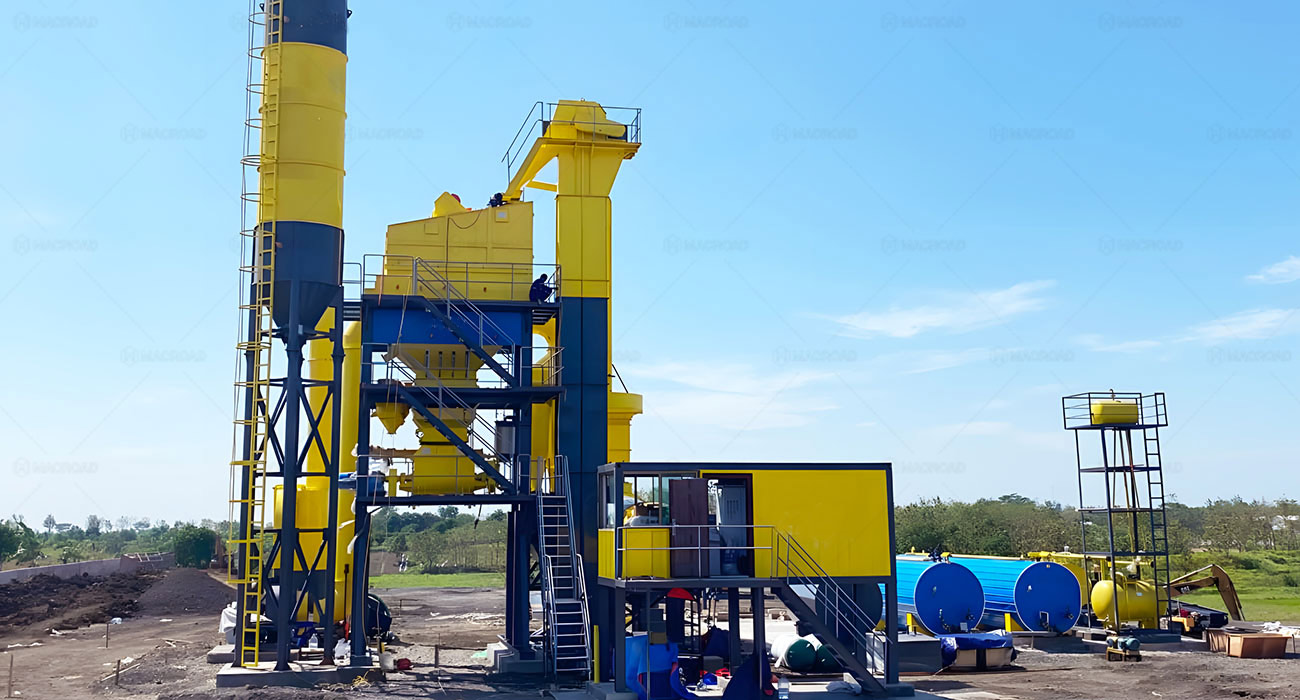
For small-scale city roads in Thailand, a 60 TPH asphalt plant offers a balanced combination of production efficiency, cost-effectiveness, and operational flexibility. Contractors benefit from lower capital and operating costs, easier site placement, and sufficient production to meet urban paving demands. While not suitable for large highways or massive road networks, for city roads under 10 km, it represents a practical and economical solution.
Call to Action: Optimize Your Urban Road Projects Today
If you are planning small-scale city road projects in Thailand, consider a 60 TPH asphalt plant to achieve both efficiency and cost savings. AIMIX offers reliable, easy-to-operate asphalt plants tailored for small to medium urban projects. Contact our team today to discuss your project requirements, get a customized solution, and ensure your city roads are paved on time and within budget.