Selecting a gantry crane is not simply a matter of choosing the right lifting capacity. While capacity, span, and lifting height are critical parameters, duty class is equally important. The duty class determines how frequently and intensively the crane operates and directly influences the design of its mechanical components, electrical systems, and structural durability.
For industries such as steel fabrication, precast concrete production, shipyards, container yards, and logistics terminals, choosing the correct duty class ensures safe, efficient, and long-term crane performance. If the duty classification does not match the production requirements, companies may experience excessive wear, downtime, increased maintenance costs, or even equipment failure.
This article explores what industrial gantry crane duty class means, the main duty classification standards, and how to properly match crane duty class with production requirements.
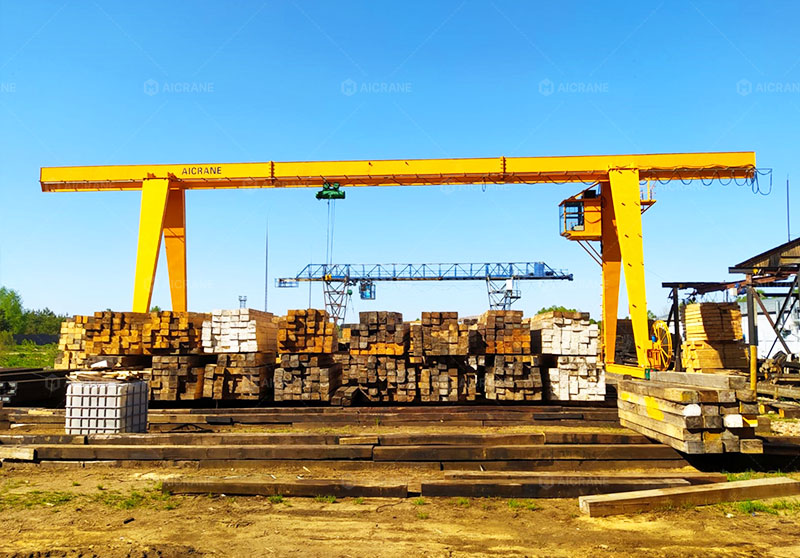
Understanding Gantry Crane Duty Class
A gantry crane duty class (also known as work duty or service classification) describes the intensity of crane operation, including:
- Frequency of lifting operations
- Load spectrum (light, medium, heavy loads)
- Average working hours per day
- Number of lifting cycles per hour
- Severity of operating conditions
The duty class determines how robust the crane components must be. A crane used occasionally for light loads requires far less structural strength and motor capacity than a crane operating continuously in heavy industrial environments.
International standards organizations define duty classes to help manufacturers and users match cranes to real working conditions.
The two most commonly referenced standards are:
- FEM (European Federation of Materials Handling) classifications
- ISO / CMAA duty classifications
For gantry cranes used in industrial applications, the FEM duty classification system is widely used.
FEM Duty Classifications for Gantry Cranes
Under the FEM standard, crane duty classes are typically categorized from A1 to A8, with increasing levels of operational intensity.
A1–A2: Light Duty
Light duty gantry cranes are designed for occasional lifting tasks where the crane is not used continuously.
Typical characteristics include:
- Low lifting frequency
- Mostly light loads
- Limited daily operating hours
- Minimal production pressure
Common applications include:
- Small warehouses
- Maintenance workshops
- Equipment repair facilities
- Storage yards
In these environments, light duty gantry cranes may operate only a few times per hour, and most loads are well below the crane’s maximum capacity.
A3–A4: Moderate Duty
Moderate duty cranes are used in general industrial operations where lifting occurs regularly but not continuously.
Characteristics include:
- Moderate lifting frequency
- Mixed load conditions
- Several hours of operation per day
- Moderate duty cycles
Typical applications include:
- Fabrication workshops
- Machinery manufacturing plants
- Steel structure assembly areas
- Warehouse material handling
Many standard gantry cranes fall into the A3 or A4 duty class, making them suitable for a wide range of industrial facilities.
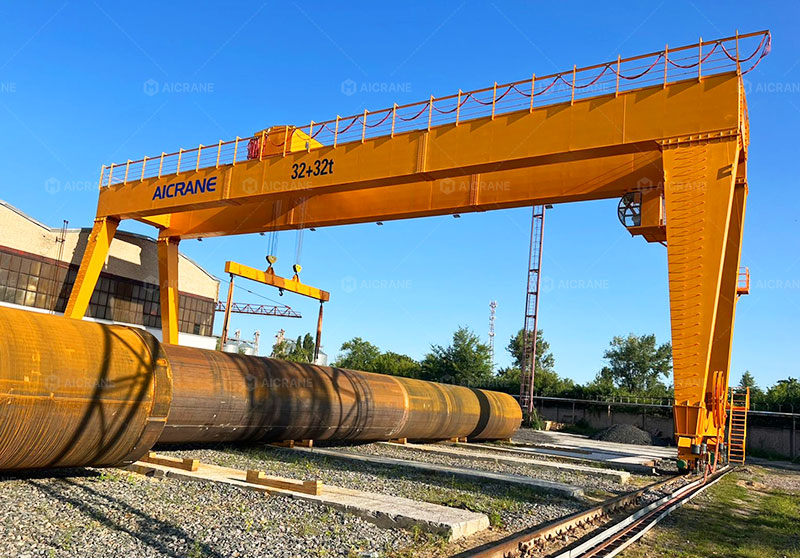
A5–A6: Heavy Duty
Heavy duty gantry cranes are designed for frequent lifting operations with heavier loads.
Key features include:
- High lifting frequency
- Regular operation near rated capacity
- Longer daily operating hours
- More demanding production schedules
Industries commonly using A5–A6 cranes include:
- Precast concrete plants
- Steel mills
- Shipyards
- Container yards
- Mining facilities
These heavy duty gantry cranes typically require stronger structural designs, higher-grade motors, and more durable braking systems.
A7–A8: Severe Duty
The highest duty classifications are reserved for extreme industrial environments where cranes operate almost continuously.
Characteristics include:
- Very high lifting frequency
- Heavy loads handled regularly
- Continuous or near-continuous operation
- Harsh working environments
Applications include:
- Large steel plants
- Automated container terminals
- heavy industrial manufacturing lines
- metallurgical processing plants
These cranes must be engineered with maximum durability and redundancy to withstand intense workloads.
Key Production Factors Affecting Duty Class Selection
Matching a gantry crane’s duty class with production requirements requires a careful analysis of operational conditions. Several factors should be evaluated before selecting the appropriate classification.
1. Lifting Frequency
One of the most important indicators of crane duty is how often the crane performs lifting operations.
Key questions include:
- How many lifting cycles occur per hour?
- How many shifts operate per day?
- Is the crane used intermittently or continuously?
For example:
- 5–10 lifts per hour may require A3–A4 duty
- 20–40 lifts per hour may require A5–A6 duty
- Continuous operations may require A7–A8 duty
Underestimating lifting frequency can result in premature component wear.
2. Load Spectrum
The weight distribution of loads significantly affects duty classification.
Some operations mainly handle light loads, while others frequently lift near the crane’s rated capacity.
Load spectrum categories typically include:
- Light loads (rarely near rated capacity)
- Medium loads
- Heavy loads (frequent maximum loads)
For example, a gantry crane lifting heavy precast concrete beams all day requires a much higher duty class than a crane occasionally moving lightweight materials.
3. Daily Operating Hours
Production schedules strongly influence duty class selection.
Typical operational patterns include:
- Occasional use: less than 2 hours per day
- Regular use: 4–8 hours per day
- Intensive use: 16–24 hours per day
A crane operating across multiple shifts must have stronger components and more robust electrical systems.
4. Environmental Conditions
Production environments also affect crane durability.
Harsh conditions may require higher duty classifications even when lifting frequency is moderate.
Examples include:
- High temperatures in steel mills
- Coastal corrosion in shipyards
- Dust and debris in mining operations
- Outdoor weather exposure
In such environments, cranes require reinforced structures, sealed electrical components, and corrosion-resistant materials.
5. Production Line Integration
In modern manufacturing, cranes are often integrated into automated production lines. When a crane becomes part of a critical process, reliability becomes essential.
Examples include:
- Precast concrete beam production lines
- automated steel fabrication systems
- container terminal logistics
In these scenarios, cranes must maintain consistent performance with minimal downtime, which often requires A5 duty or higher.
Consequences of Choosing the Wrong Duty Class
Selecting an inappropriate duty class can cause serious operational problems.
If the Duty Class Is Too Low
When a crane is used beyond its designed duty class, the following issues may occur:
- Rapid component wear
- Motor overheating
- Brake failures
- Gearbox damage
- Increased maintenance costs
- Unexpected downtime
This can disrupt production and increase long-term operating expenses.
If the Duty Class Is Too High
Over-specifying duty class also has drawbacks.
Higher duty classifications involve:
- Larger motors
- Stronger steel structures
- More complex control systems
- Higher purchase costs
If production requirements do not justify these features, the company may invest unnecessarily in expensive equipment.
Therefore, the goal is not simply to choose the highest duty class but to select the most appropriate one.
Practical Examples of Duty Class Matching
To better understand the matching process, consider the following examples.
Warehouse Material Handling
A logistics warehouse uses a gantry crane to load and unload materials several times per hour.
- Load weight: 3–10 tons
- Frequency: moderate
- Operation: 6 hours per day
Recommended duty class: A3–A4
Precast Concrete Production
A precast yard uses a gantry crane to move concrete beams throughout the day.
- Load weight: 20–50 tons
- Frequency: high
- Operation: multiple shifts
Recommended duty class: A5–A6
Container Yard Operations
A rail-mounted gantry crane handles shipping containers continuously.
- Load weight: 30–40 tons
- Frequency: very high
- Operation: 24/7
Recommended duty class: A7
Working with Crane Manufacturers
To accurately determine the correct duty class, companies should collaborate with experienced gantry crane manufacturers during the design phase.
Key information to provide includes:
- Typical load weights
- Maximum lifting capacity
- Number of lifts per hour
- Daily working hours
- Environmental conditions
- Production process requirements
Manufacturers can then calculate the appropriate duty classification, structural strength, and component specifications.
Customized gantry crane designs ensure optimal performance, safety, and equipment longevity.
Conclusion
Matching gantry crane duty class with production requirements is essential for ensuring safe and efficient lifting operations. Duty classification reflects how intensively a crane will be used, including lifting frequency, load spectrum, operating hours, and environmental conditions.
Light-duty cranes are suitable for occasional lifting tasks, while heavy-duty cranes are required for continuous industrial operations such as steel production, precast concrete handling, and container logistics.
By carefully analyzing operational demands and selecting the appropriate duty class, businesses can achieve the right balance between performance, durability, and cost efficiency. A well-matched gantry crane not only improves productivity but also minimizes maintenance issues and extends the service life of the equipment.