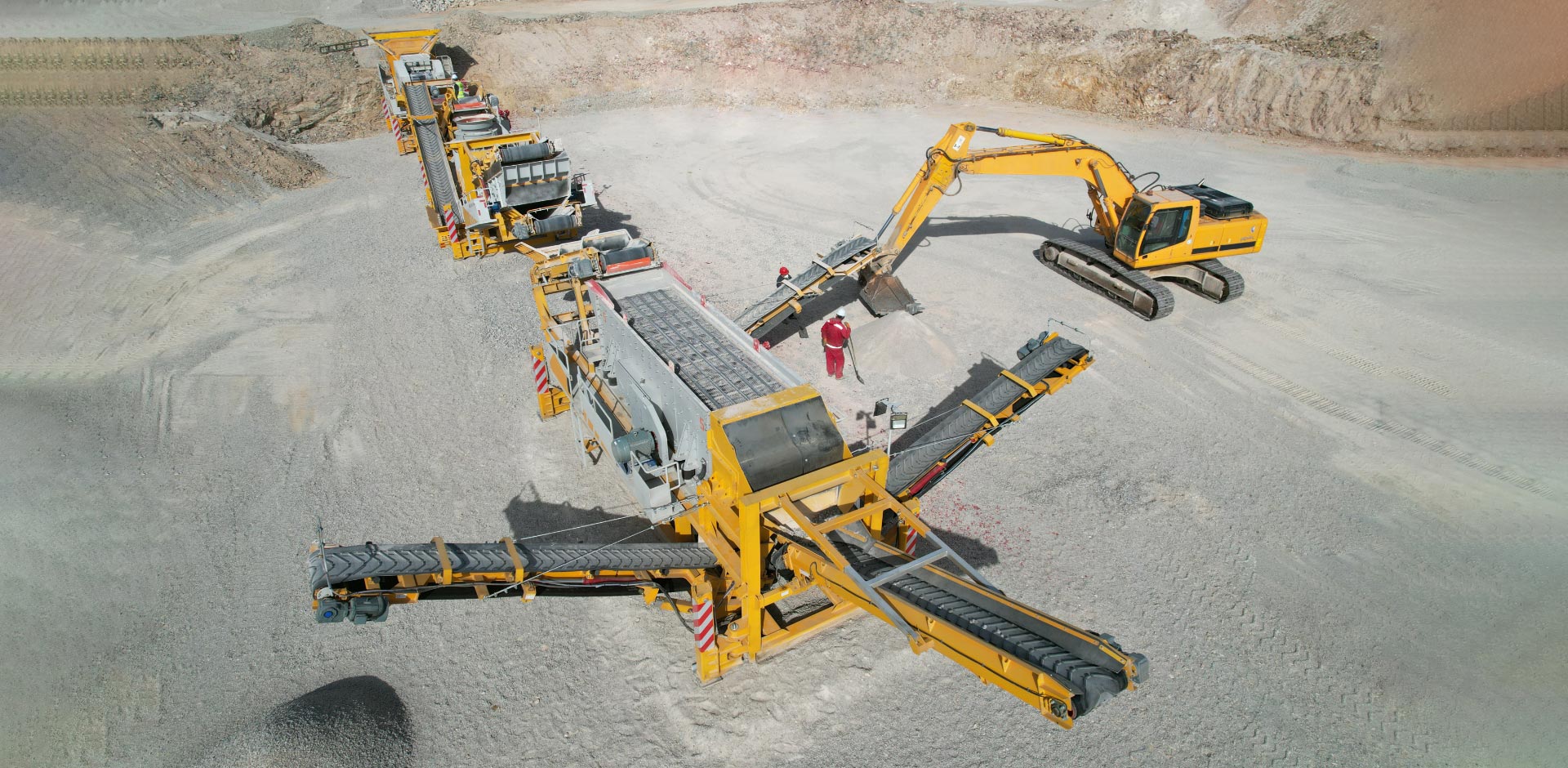
Let’s be honest: dealing with old concrete is tough. A demolition site isn’t a clean, uniform quarry; it’s a chaotic mix of broken slabs, rusty rebar, chunks of brick, and maybe even some wood and plastic. Turning this problematic waste stream into a valuable commodity—clean, high-grade recycled concrete aggregate (RCA)—is one of the construction industry’s most pressing puzzles. The ambition for a circular economy crashes into the hard reality of contaminated, variable feed material. But here’s the encouraging part: the key to solving this puzzle isn’t just willpower; it’s machinery. The efficiency and intelligence built into modern recycling plants are what make this transformation not just possible, but profitable. By focusing on a few critical crusher machine functions, we can systematically dismantle the biggest barriers to effective concrete recycling.
The Primary Hurdle: Contaminant Liberation and Removal
You can’t recycle what you can’t clean. The single greatest challenge is separating the hardened cement paste and aggregate from everything else that’s stuck to it or mixed in. Old concrete is rarely pure. This is where machine design makes the first and most crucial difference.
Optimizing the Break: Selective Crushing and Impact Energy
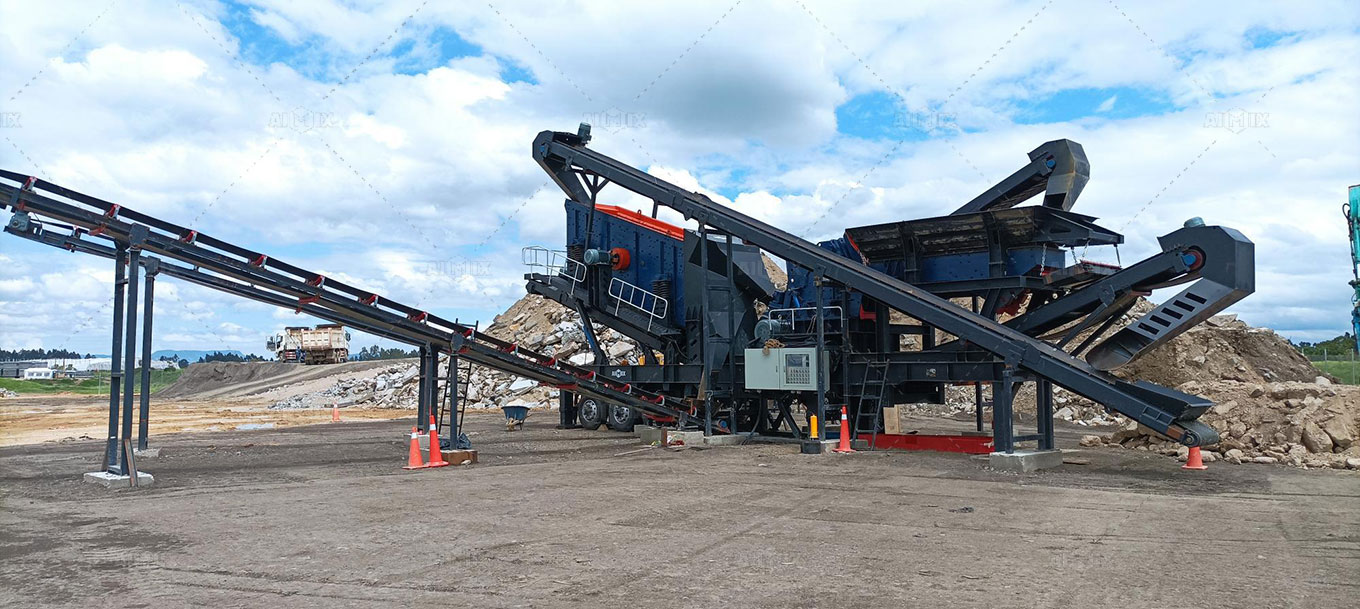
The goal at the primary crushing stage isn’t just to make smaller pieces; it’s to break the material along the right lines. You want to fracture the concrete matrix to liberate the natural aggregate inside while minimizing the creation of fine, dusty cement powder (which has limited value) and keeping reinforcing steel bars as long and intact as possible for easy removal. This requires a machine with the right type of force. High mobile impact crushers, like certain horizontal shaft impactors, deliver a sharp, explosive blow. This is great for breaking the brittle concrete but can over-pulverize it. Jaw crushers apply compressive force, which can be better for yielding a more granular product and leaving rebar in manageable lengths. The most efficient setups often use a combination, tuning the machine’s impact energy and crusher chamber geometry to match the specific concrete’s strength and reinforcement density. It’s a deliberate fragmentation strategy, not just random breaking.
The Magnetic and Manual Separation Dance
Once steel is liberated, getting it out is the next step. Overband magnetic separators are the undisputed workhorses here, suspended over conveyors to pull rebar and wire mesh from the stream. But efficiency isn’t guaranteed. The magnet’s strength, its positioning relative to the material bed depth, and the belt speed all matter. For the best recovery, the crushed material needs to be presented in a thin, even layer so smaller pieces aren’t buried and missed. After the magnet, there’s often a dedicated “picking station”—a slow-moving conveyor where workers manually remove persistent non-magnetic contaminants like wood, plastic, and asphalt. Machine efficiency at this stage is about ergonomics and belt speed, giving human eyes the time and visibility to ensure purity.
The Quality Imperative: Achieving Consistent, Spec-Ready Aggregate
Once the waste is clean, the next challenge is making it consistent. Construction engineers need predictable material, not a guesswork blend. Variable quality is what keeps RCA out of high-value applications.
Precision Screening and the Fines Management Problem
This is where sophisticated screening decks earn their keep. Simple scalping isn’t enough. Efficient construction waste recycling plants use multi-deck vibrating screens with precisely sized meshes to sort the crushed concrete into defined gradations: a 3/4-inch minus for base material, a 1/2-inch clean stone, and so on. The biggest headache is often the fine material—the dust and powdered cement under about 3/16 of an inch. This fraction can be high in sulfates and can negatively affect compaction and setting times if reused in new concrete. Efficient systems either route these fines to a beneficial use (like daily landfill cover) or, in advanced setups, employ air classifiers or washing systems to process them further. Managing fines isn’t just about cleaning; it’s about responsibly handling the entire yield of the process.
The Secondary Crushing Step for Shape Optimization
Crushed concrete from a primary crusher can be jagged and flaky. For higher-grade applications, like new concrete mixes, a better particle shape is needed. This is where a secondary cone crusher can be a game-changer. Operating in a closed circuit with a screen, it can recirculate material to create a more cubical, well-graded product. This extra step adds cost and complexity, but it’s the machine-driven path to transforming rubble from a low-value fill material into a high-value construction aggregate that can truly displace virgin stone.
The Logistics and Economic Equation: Mobility and Throughput
Finally, the best technology is useless if it’s in the wrong place or too slow to be economical. The logistical reality of demolition sites dictates much of the machine strategy.
The Mobile Plant Advantage: Processing at the Source
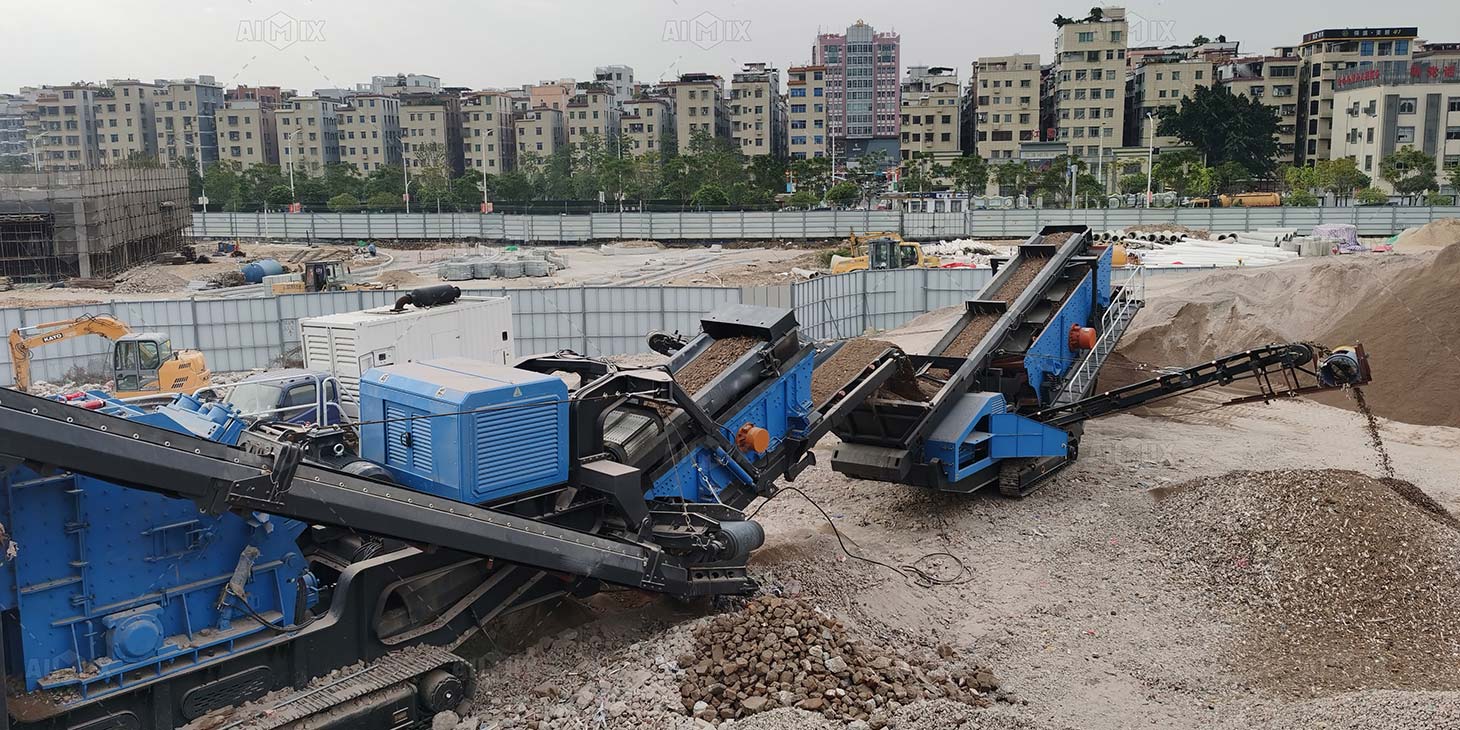
Hauling heavy, low-value demolition debris to a distant fixed plant is a money-losing proposition. The most efficient recycling happens right at the source. This is why mobile crushing and screening trains are so vital. A compact, self-contained setup on tracks or wheels can be moved between city blocks or construction sites, processing material where it falls. This eliminates prohibitive transport costs for raw waste, and the finished RCA can often be reused on the same site for backfill or sub-base, closing the loop perfectly. Machine efficiency here means quick setup, easy teardown, and the ability to operate in tight urban spaces.
Throughput as the Driver of Viability
Recycling only makes financial sense if you can process volume quickly enough to offset equipment, labor, and energy costs. Machine throughput is the heartbeat of the business model. This hinges on everything we’ve discussed: a concrete crusher for sale that doesn’t jam on rebar, a magnetic separator that captures 99% of steel on the first pass, and screens that don’t blind with clay or fines. Downtime for unclogging or repairs is the enemy. Therefore, the most efficient recycling machines are built not just for power, but for resilience and easy maintenance in a dirty, abrasive environment. They are designed to handle the chaos, turning a variable waste stream into a steady, reliable product flow that makes the environmental goal a commercial reality, too.