Purchasing an overhead crane for the first time is a major investment decision for any manufacturing plant, warehouse, or industrial facility. Unlike standard equipment with fixed price tags, overhead crane prices vary widely depending on technical configuration, application requirements, site conditions, and long-term operational expectations. For first-time buyers, this complexity often leads to confusion, inaccurate budgeting, or even costly mistakes.
This guide is designed to help first-time buyers clearly understand how overhead crane prices are formed, what factors influence cost the most, and how to evaluate quotations with confidence – so you can invest wisely, avoid hidden expenses, and select a crane that delivers long-term value rather than short-term savings.
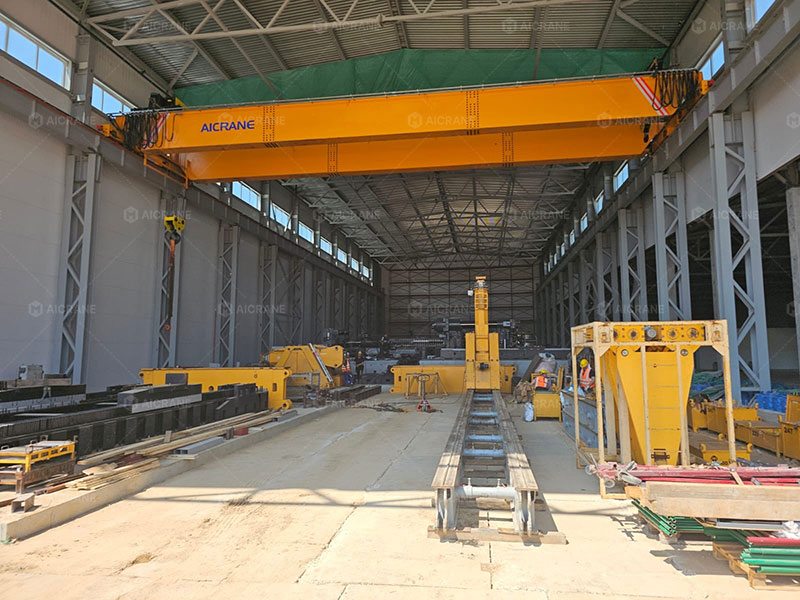
1. Why Overhead Crane Prices Vary So Much
One of the first surprises for new buyers is the wide price range between different overhead crane quotations. Two cranes with the same lifting capacity can differ significantly in price, sometimes by tens of thousands of dollars. This is because overhead cranes are engineered systems, not standardized off-the-shelf products.
Price variations usually stem from:
-
Structural design differences
-
Duty classification and usage frequency
-
Component quality and brand selection
-
Safety systems and automation level
-
Installation and after-sales scope
Understanding these elements is the first step toward making sense of crane pricing.
2. Typical Overhead Crane Price Ranges (General Reference)
While exact prices depend on project details, first-time buyers often want a rough reference range for budgeting purposes.
-
Single girder overhead cranes (5–10 tons): entry-level pricing, suitable for light workshops
-
Medium-capacity cranes (10–30 tons): widely used in fabrication and manufacturing
-
Heavy-duty double girder cranes (30–100+ tons): significantly higher cost due to structural reinforcement and advanced systems
These figures should be treated as indicative only, not final prices. Accurate pricing always requires technical confirmation.
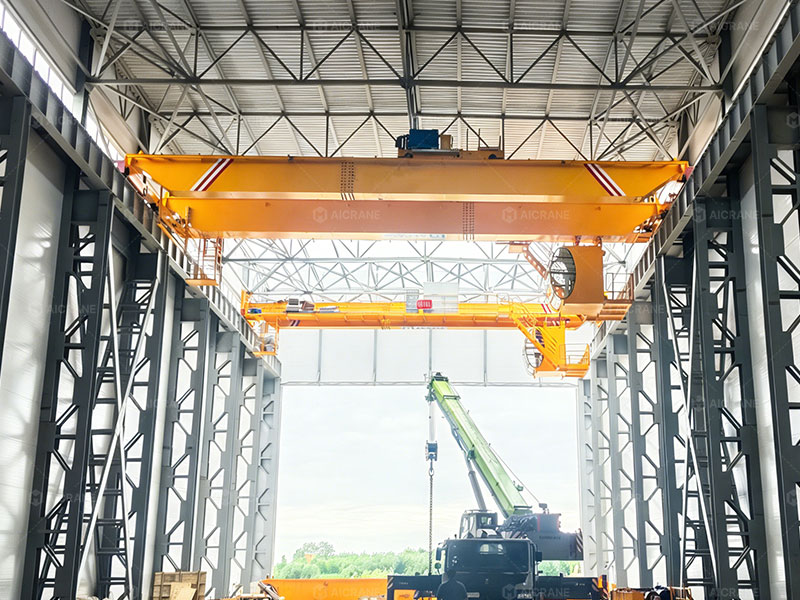
3. Key Factors That Determine Overhead Crane Price
3.1 Lifting Capacity and Load Characteristics
Lifting capacity is the most obvious cost driver, but load characteristics matter just as much. Handling steel coils, long beams, molten materials, or precision equipment requires different crane designs, which directly affects price.
Higher capacity typically means:
-
Heavier steel structure
-
Larger hoists and motors
-
Stronger end trucks and rails
3.2 Span Length and Lifting Height
The span (distance between runway rails) and lifting height have a direct impact on steel consumption and structural design complexity. Longer spans require deeper girders and higher-strength materials, increasing manufacturing and transportation costs.
For first-time buyers, underestimating span and height is a common mistake that leads to redesigns and price increases later.
3.3 Crane Type: Single Girder vs Double Girder
Choosing between a single girder crane and a double girder crane has a major pricing impact.
-
Single girder cranes: lower initial cost, simpler structure, suitable for light to medium duty
-
Double girder cranes: higher cost, better stability, higher duty class, and longer service life
While double girder cranes cost more upfront, they often offer better long-term value in high-capacity or high-frequency applications.
3.4 Duty Class and Working Frequency
Duty classification defines how often and how intensively the crane operates. Standards such as FEM and CMAA categorize cranes from light duty to heavy continuous operation.
Higher duty class means:
-
Enhanced structural fatigue resistance
-
Higher-grade motors and gearboxes
-
More robust electrical systems
As duty class increases, so does the price—but also reliability and lifespan.
3.5 Hoist and Component Selection
The hoist is the heart of the crane system. Its quality significantly affects both price and performance.
Factors include:
-
Hoist brand and origin
-
Lifting speed and control accuracy
-
Brake systems and safety redundancy
Lower-cost hoists reduce initial price but may increase maintenance and downtime costs over time.
4. Electrical, Control, and Safety Systems
Modern overhead cranes are no longer simple lifting machines. First-time buyers should understand how control systems influence pricing.
Common options include:
-
Pendant control (standard, lowest cost)
-
Wireless remote control (moderate cost increase)
-
Cabin control (higher cost, used in heavy duty bridge cranes)
Additional safety systems—such as overload protection, limit switches, anti-collision systems, and variable frequency drives (VFDs)—increase initial price but significantly improve operational safety and efficiency.
5. Installation, Transportation, and Hidden Costs
Many first-time buyers focus only on the crane’s ex-works price and overlook total project cost.
Additional cost components often include:
-
Transportation and shipping
-
On-site installation and commissioning
-
Load testing and certification
-
Runway beam reinforcement (if required)
A lower crane price can quickly become expensive if installation or site modifications are underestimated.
6. New vs Used Overhead Crane: Price Considerations
Used overhead cranes may appear attractive due to lower upfront cost, but first-time buyers should proceed cautiously.
Potential risks include:
-
Unknown fatigue history
-
Outdated electrical systems
-
Limited warranty or support
For critical operations, a new crane typically offers better safety, compliance, and lifecycle cost predictability.
7. How to Request an Accurate Overhead Crane Quote
To receive a reliable price quotation, buyers should provide:
-
Required lifting capacity
-
Span and lifting height
-
Workshop layout drawings
-
Duty class and daily operating hours
-
Load type and handling method
Incomplete information often results in inaccurate pricing and later cost revisions.
8. Evaluating Supplier Quotes: What to Compare
When comparing multiple quotations, first-time buyers should look beyond the final number and evaluate:
-
Technical specifications
-
Component brands
-
Scope of supply
-
Installation and after-sales support
-
Warranty terms
A transparent quotation reflects a professional supplier and reduces future disputes.
9. Balancing Initial Price and Long-Term Value
The cheapest overhead crane is rarely the most economical choice. Long-term operating cost, energy efficiency, maintenance frequency, and downtime risk must all be considered.
A well-designed crane with a slightly higher initial price often delivers:
-
Longer service life
-
Lower maintenance cost
-
Higher operational safety
10. Final Advice for First-Time Buyers
For first-time buyers, the key to a successful overhead crane purchase is informed decision-making. Understanding how prices are formed allows you to communicate effectively with suppliers, avoid hidden costs, and choose a crane that truly fits your operational needs.
Rather than asking, “Why is this crane more expensive?”, the better question is:
“What am I getting for this price over the next 10–20 years?”
That perspective transforms overhead crane pricing from a cost concern into a long-term investment strategy.