In modern infrastructure development, large-scale projects such as highways, bridges, tunnels, airports, and urban transit systems rely heavily on stable and continuous concrete supply. A ready mix concrete plant price becomes a key consideration for contractors and investors when planning such projects, because it directly affects project budget, construction speed, and long-term profitability. These plants are designed to produce high-quality concrete in large volumes, ensuring consistent performance in demanding engineering environments.
Road and bridge construction projects typically require long-term, high-capacity concrete production. Therefore, selecting the right batching system is not only about equipment cost but also about efficiency, durability, and operational stability. In many cases, investors also evaluate ready mix concrete plant setup cost, supplier capability, and regional market conditions before making a final decision.
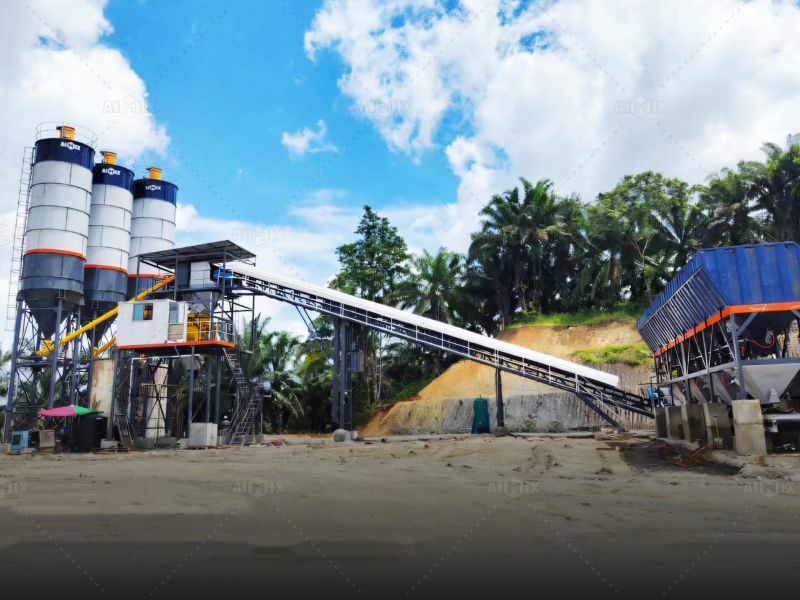
Importance of Ready Mix Plants in Infrastructure Projects
In large infrastructure projects, concrete is the most critical construction material. A ready mix concrete plant ensures that concrete is produced under controlled conditions with precise ratios of cement, aggregates, water, and additives. This improves structural strength, durability, and consistency, which are essential for bridges, highways, and large public works.
Compared with on-site mixing, ready mix production significantly improves efficiency. It reduces labor requirements, minimizes material waste, and ensures faster project execution. For road and bridge construction, where deadlines are strict and quality standards are high, centralized batching systems are essential.
Ready Mix Concrete Plant Setup Cost Factors
When evaluating ready mix concrete plant setup cost, several key factors must be considered, including production capacity, automation level, plant configuration, environmental systems, and site infrastructure requirements.
Small and medium plants require lower investment, while large infrastructure-grade plants cost significantly more due to higher output capacity and advanced automation systems. The overall investment can vary widely depending on project scale and technical requirements.
Site preparation is another major cost factor, including land foundation, power supply systems, water systems, and environmental protection facilities such as dust collectors and wastewater recycling systems.
Role of Ready Mix Concrete Plant Suppliers
Choosing reliable ready mix concrete plant suppliers is essential for ensuring equipment quality, technical support, and long-term operational stability. Suppliers provide not only equipment but also design consultation, installation guidance, spare parts, and after-sales service.
Experienced suppliers help contractors select the most suitable plant configuration based on project requirements. For example, highway projects often require high-capacity continuous production systems, while bridge construction may require more precise batching control.
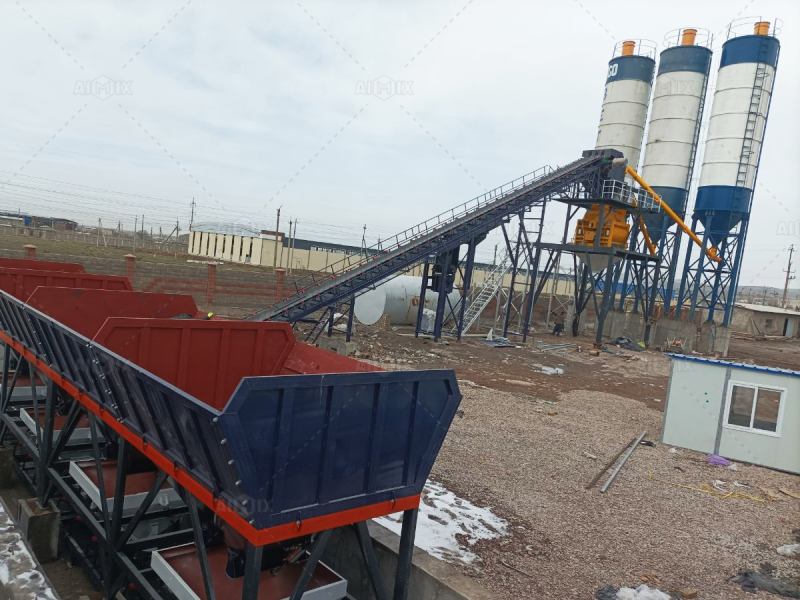
Application in Road and Bridge Construction
Road construction requires continuous concrete supply for foundations, pavement layers, and structural reinforcement. A ready mix plant ensures stable production and reduces delays caused by external supply chains.
In bridge construction, concrete quality is even more critical. Structural components such as piers and decks require high-strength and durable concrete. Ready mix production ensures strict control over mix design and material quality.
Ready Mix Plant in Sri Lanka Market Development
The demand for ready mix plant in Sri Lanka has been increasing due to rapid infrastructure development, including highways, urban construction, and public projects. Contractors in Sri Lanka prefer medium-capacity plants that balance cost and efficiency.
Due to geographical conditions, mobile and modular batching plants are also widely used, allowing easy relocation between different construction sites and improving equipment utilization.
Economic Benefits and Long-Term Value
Investing in a ready mix concrete plant provides long-term economic benefits. Although initial investment may be high, independent concrete production reduces dependency on external suppliers and stabilizes material costs.
For large infrastructure projects, owning a batching plant improves project control, reduces delays, and enhances production efficiency, leading to better overall profitability.
Conclusion
A ready mix concrete plant price is a key factor in planning road, bridge, and large infrastructure projects. While setup cost varies depending on capacity and configuration, long-term benefits include improved efficiency, stable supply, and better quality control.
With reliable ready mix concrete plant suppliers and growing demand in markets such as ready mix plant in Sri Lanka, these systems continue to play a vital role in global infrastructure development.