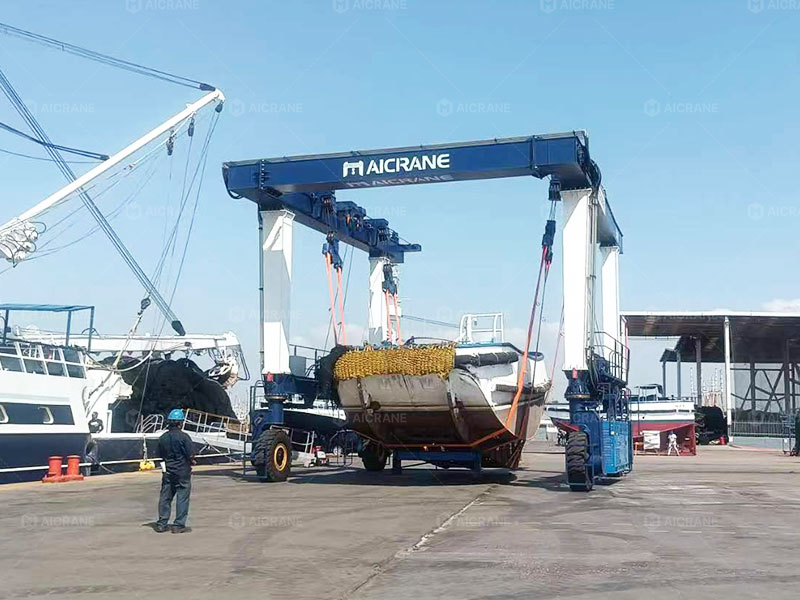
A 50-ton boat travel lift is a critical piece of equipment in modern marinas, shipyards, and waterfront service facilities. It is responsible for lifting, transporting, and launching medium-to-large vessels safely and efficiently. However, unlike inland industrial equipment, travel lifts operate in one of the most challenging environments imaginable: high humidity, salt-laden air, and constant exposure to moisture.
Among all the systems on a travel lift, the electrical system is the most vulnerable to environmental damage, especially corrosion. Moisture and salt particles can quickly degrade wiring, terminals, relays, PLC systems, and control components, leading to electrical failures, unexpected downtime, and even safety hazards.
To address this challenge, engineers rely heavily on anti-corrosive electrical enclosures, which are specifically designed to protect sensitive electrical components and ensure reliable operation of 50 ton travel lifts in harsh marina environments.
This article explains how anti-corrosive electrical enclosures work, why they are essential, and how they contribute to long-term reliability in high-humidity coastal conditions.
1. Why High-Humidity Marinas Are Extremely Harsh for Electrical Systems
Marina environments combine multiple destructive factors that accelerate electrical system failure.
Salt Spray and Corrosion Acceleration
Salt in the air is one of the most aggressive corrosive agents. When it settles on metal surfaces inside electrical enclosures:
- It attracts moisture
- Forms conductive paths
- Accelerates oxidation of metal parts
This leads to:
- Terminal corrosion
- Short circuits
- Increased resistance in connections
Even stainless steel components can degrade over time in continuous salt exposure.
High Humidity and Condensation
Humidity levels in marinas often remain above 70–90%. This creates:
- Water vapor infiltration into enclosures
- Condensation during temperature changes
- Moisture accumulation on circuit boards
Condensation is especially dangerous because it can:
- Bridge electrical contacts
- Cause unexpected system activation
- Damage sensitive PLC and control modules
Temperature Fluctuations
Daily temperature variation causes:
- Expansion and contraction of enclosure materials
- Breathing effect that draws moist air inside
- Increased internal condensation cycles
Over time, this repeated cycle significantly reduces electrical system lifespan.
2. What Are Anti-Corrosive Electrical Enclosures?
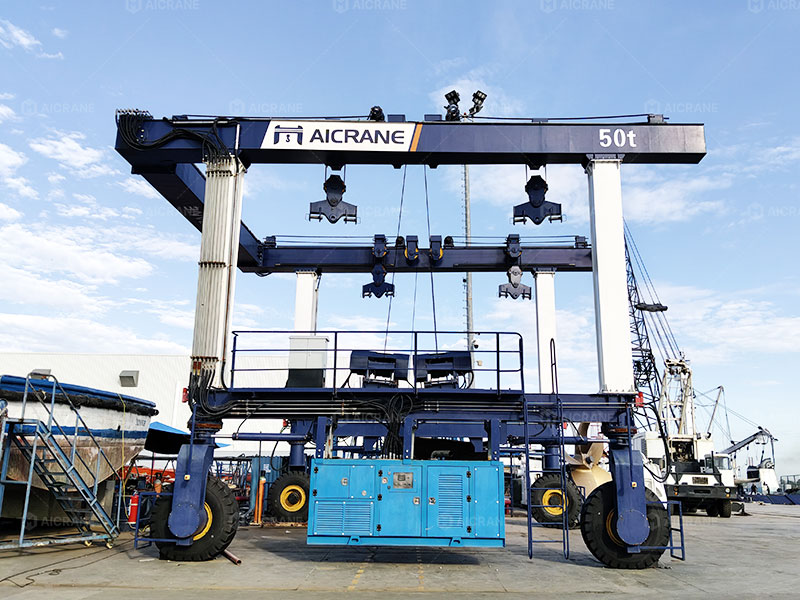
Anti-corrosive electrical enclosures are specially engineered protective cabinets designed to house electrical components in harsh environments.
For a 50-ton travel lift, these enclosures typically contain:
- PLC control systems
- Variable frequency drives (VFDs)
- Relays and contactors
- Power distribution units
- Sensor interfaces
Their main function is to create a sealed, controlled micro-environment that prevents moisture, salt, and dust from damaging internal components.
3. Material Selection for Corrosion Resistance
The first layer of protection comes from the materials used in the enclosure itself.
Stainless Steel Enclosures
High-end marine travel lifts often use:
- Stainless steel 304 or 316 enclosures
Benefits include:
- High resistance to salt corrosion
- Long service life in marine environments
- Structural strength under vibration and impact
316 stainless steel is preferred for extreme coastal conditions due to its higher molybdenum content, which improves salt resistance.
Powder-Coated Carbon Steel
For cost-optimized designs:
- Heavy-duty carbon steel is used
- Multi-layer powder coating provides protection
Coating systems typically include:
- Anti-corrosion primer
- Epoxy middle layer
- UV-resistant topcoat
This combination provides good protection but requires more maintenance than stainless steel.
4. Sealing Technology: The First Barrier Against Moisture
Even the strongest material is ineffective without proper sealing.
IP Protection Ratings
Anti-corrosive enclosures for marine boat hoists typically meet:
- IP54 (dust and splash resistant)
- IP65 (dust-tight and water jet resistant)
- IP66 (high-pressure water protection)
Higher IP ratings are essential in marina environments where water spray is constant.
Gasket Sealing Systems
High-quality enclosures use:
- Silicone rubber gaskets
- Compression sealing doors
- Continuous perimeter sealing
These prevent:
- Moist air infiltration
- Salt spray entry
- Dust contamination
Proper gasket maintenance is critical for long-term performance.
5. Internal Climate Control Systems
Even sealed enclosures can suffer from internal condensation if temperature is not controlled.
Anti-Condensation Heaters
Small electrical heaters are installed inside enclosures to:
- Maintain internal temperature above dew point
- Prevent moisture condensation on components
- Ensure stable operation during cold nights
This is especially important in coastal climates where day-night temperature differences are large.
Ventilation with Filtration
Some enclosures use:
- Filtered ventilation fans
- Pressure equalization systems
- Moisture-resistant air vents
These systems:
- Allow airflow without letting salt particles enter
- Reduce internal heat buildup
- Maintain stable humidity levels
Air Conditioning Units (High-End Systems)
For advanced 50-ton travel lifts:
- Cabinet air conditioners are installed
- Internal temperature is actively controlled
- Humidity is maintained at optimal levels
This is common in high-value shipyard operations where downtime is extremely costly.
6. Anti-Corrosion Treatment of Internal Components
Protection is not only external—internal components also require corrosion resistance.
Protective Coatings for Electrical Parts
Electrical components may be treated with:
- Conformal coatings on PCBs
- Anti-oxidation terminal plating
- Protective varnish on sensitive circuits
These coatings prevent:
- Moisture penetration
- Electrical leakage
- Oxidation of conductive pathways
Corrosion-Resistant Connectors
High-quality systems use:
- Nickel-plated terminals
- Gold-plated signal connectors
- Sealed industrial connectors (IP67 rated)
These ensure stable electrical performance even in humid environments.
7. Cable Management and Moisture Protection
Cables are often overlooked but are highly vulnerable to corrosion.
Marine-Grade Cables
For marine boat gantry cranes:
- Tinned copper conductors are used
- UV-resistant insulation materials protect against sunlight
- Oil- and salt-resistant outer jackets are applied
Sealed Cable Entry Systems
Cable glands and entry points are designed with:
- Compression sealing
- Waterproof rubber grommets
- Anti-corrosion locking systems
This prevents moisture from entering through cable routes.
8. Thermal Cycling Protection in Marina Environments
Temperature variation is a major cause of enclosure failure.
Expansion and Contraction Control
Anti-corrosive enclosures are designed to:
- Minimize thermal deformation
- Maintain gasket sealing integrity
- Prevent micro-cracks in protective coatings
Dew Point Management
By controlling internal temperature:
- Condensation formation is prevented
- Electrical short circuits are avoided
- Long-term reliability is improved
9. Vibration Resistance in Coastal Operations
A 50-ton travel lift is subject to constant vibration during:
- Lifting operations
- Movement along yard surfaces
- Wind exposure in open marinas
Structural Reinforcement
Electrical enclosures are designed with:
- Reinforced mounting brackets
- Shock-resistant internal layouts
- Anti-vibration pads for sensitive components
This ensures long-term stability of electrical systems.
10. Maintenance Strategies for Anti-Corrosive Enclosures
Even the best enclosure requires proper maintenance.
Regular Inspection Tasks
Operators should check:
- Seal integrity
- Corrosion signs on terminals
- Heater functionality
- Fan and filter cleanliness
Cleaning Procedures
In marina environments:
- Salt deposits should be cleaned regularly
- External surfaces should be rinsed with fresh water
- Ventilation filters must be replaced periodically
Preventive Maintenance Scheduling
A structured maintenance plan ensures:
- Early detection of corrosion
- Reduced risk of electrical failure
- Extended equipment lifespan
11. Impact on 50 Ton Travel Lift Performance
Reliable electrical enclosures directly improve:
Operational Stability
- Fewer unexpected shutdowns
- Consistent lifting performance
- Stable control response
Safety Performance
- Reduced risk of electrical short circuits
- Improved operator confidence
- Better emergency system reliability
Lifecycle Cost Reduction
- Lower repair frequency
- Reduced downtime
- Extended equipment service life
Conclusion
In high-humidity marina environments, anti-corrosive electrical enclosures are not just protective accessories—they are essential engineering systems that ensure the reliability of 50-ton travel lifts.
Through advanced material selection, sealed structural design, climate control systems, corrosion-resistant components, and proper maintenance practices, these enclosures effectively protect sensitive electrical systems from salt, moisture, and temperature fluctuations.
When properly designed and maintained, they significantly enhance:
- Operational reliability
- Safety performance
- Long-term durability
- Cost efficiency
Ultimately, they play a critical role in ensuring that 50-ton travel lifts can operate safely and continuously in some of the harshest marine environments in the world.