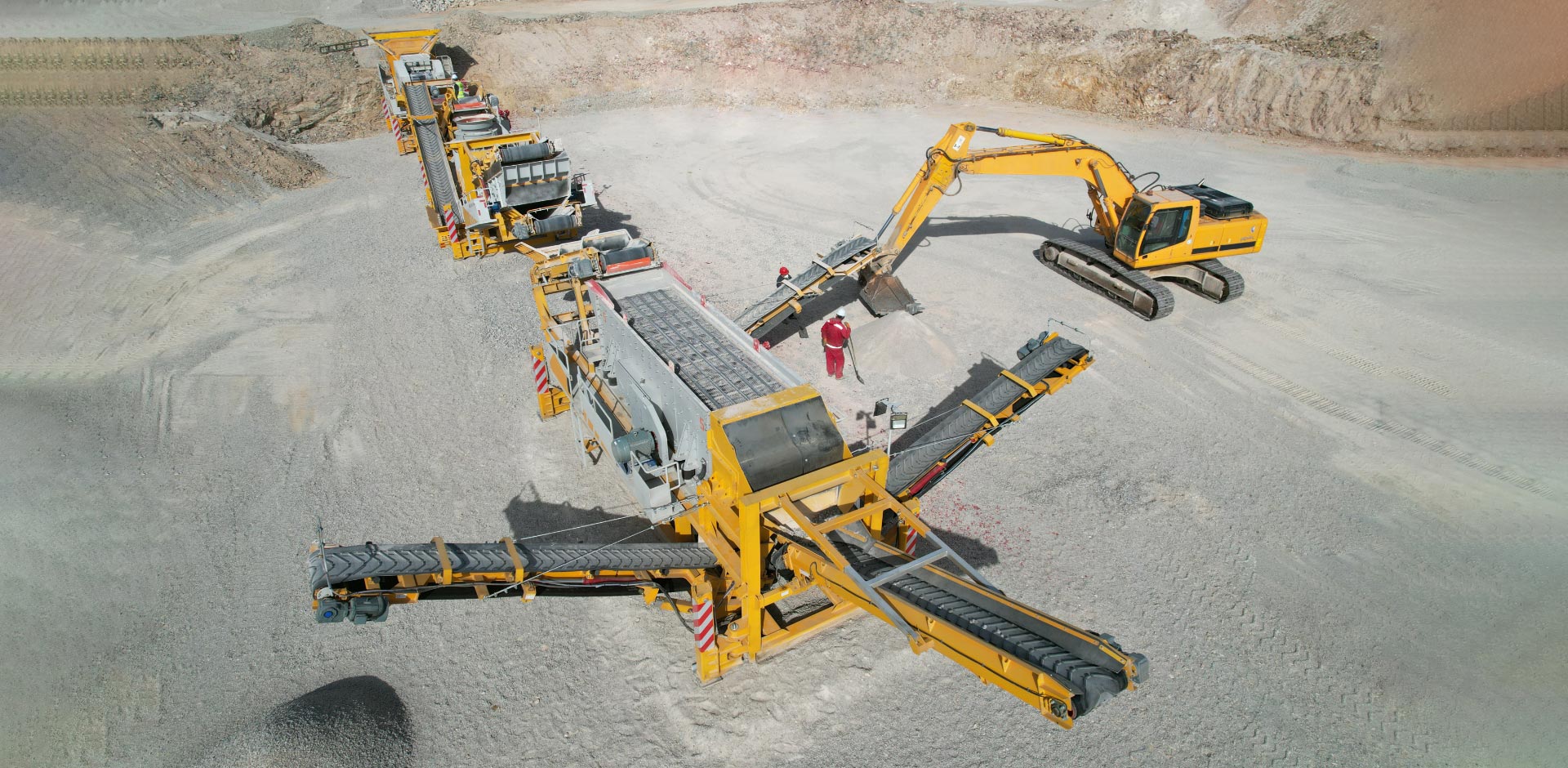
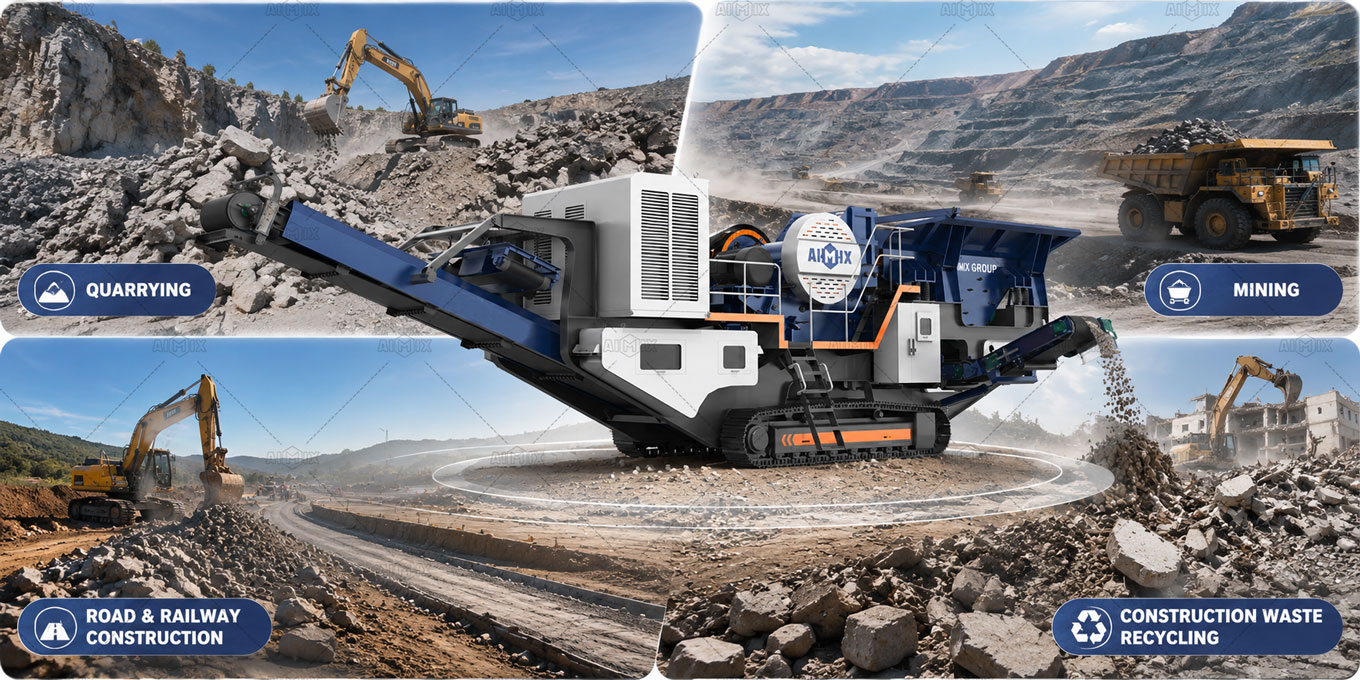
Road construction projects often need large quantities of crushed stone for subbase, base course, drainage layers, and other aggregate applications. A track crusher for sale can process blasted rock, river stone, and recycled materials directly at or near the construction site, reducing the need to transport raw material to a distant stationary plant. With tracked mobility, the crushing equipment can follow the work area as the project progresses, making it suitable for road projects with changing material sources and temporary crushing locations.
Why Use a Track Crusher for Road Construction?
Road projects commonly extend over long distances, and material requirements can vary between sections. Transporting raw rock to a fixed crushing plant and then hauling finished aggregate back to the construction site can increase truck traffic, fuel consumption, and material handling.
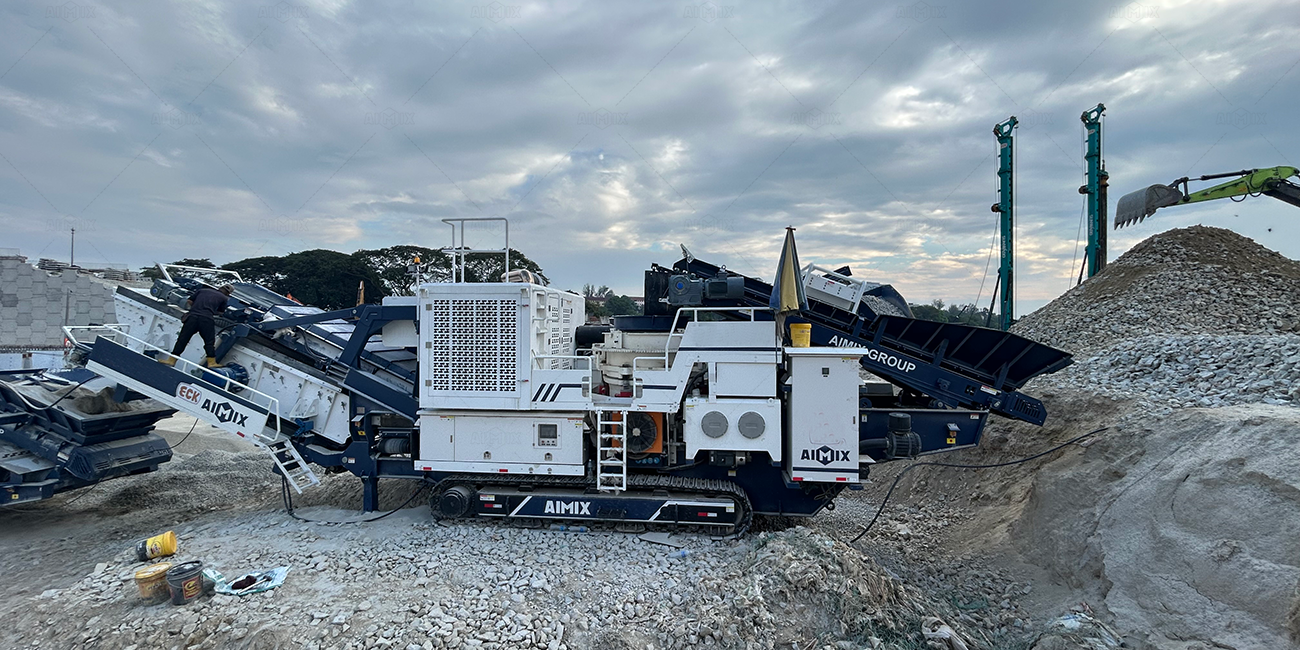
A track crusher for sale brings the primary crushing process closer to the material source. The machine can be moved around the jobsite with its crawler chassis and positioned where feed material is available. This allows contractors to shorten the material flow between excavation, crushing, and aggregate placement.
For projects with temporary work areas, remote sections, or changing quarry faces, mobility can be particularly useful. Instead of designing the entire operation around one permanent crushing location, the crushing plant can be relocated as site conditions change.
What Road Construction Materials Can a Track Crusher Process?
The suitable feed material depends on the crusher configuration and its technical specifications. Common road construction feed materials include hard rock, limestone, granite, basalt, river stone, and excavated construction materials that meet the required quality specifications.
For example, a tracked jaw crusher is commonly used as a primary crushing stage. It reduces large rocks into a smaller and more manageable size for secondary crushing or direct screening. The resulting material can then be processed into different aggregate sizes according to the road design.
Material properties should be checked before selecting equipment. Hardness, abrasiveness, maximum feed size, moisture content, and required product sizes all affect crusher performance and wear rates.
APYL2-116J Tracked Jaw Crusher Plant for Primary Crushing
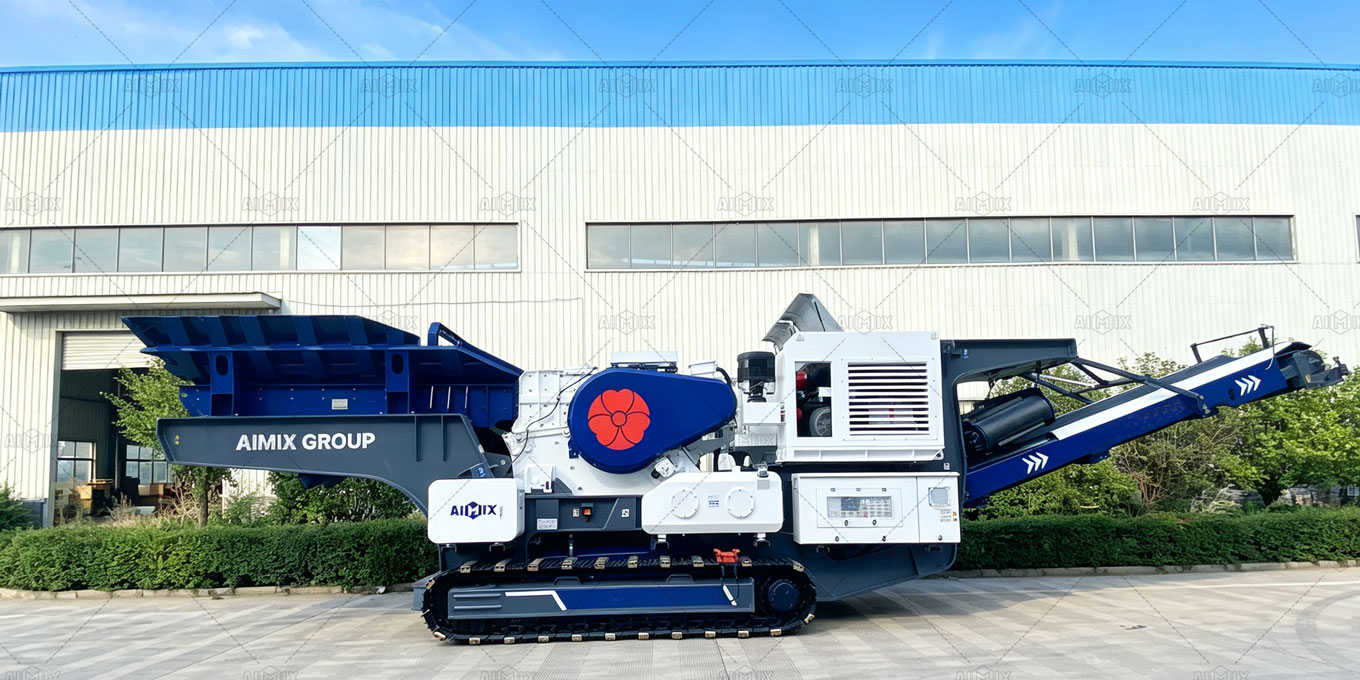
The APYL2-116J tracked jaw crusher plant is designed for mobile primary crushing applications where large feed material needs to be reduced before further processing. Its tracked chassis allows the crusher to move within the working area without requiring a permanent foundation.
In a road construction application, the tracked jaw crusher can be positioned close to blasted rock or excavated material. The jaw crusher then reduces the feed into a smaller size suitable for downstream equipment. Depending on the required aggregate specification, the output can be sent to a secondary cone or impact crusher and then to a screening system.
This type of configuration is useful when road aggregate production needs to adapt to changing work locations. The crusher itself can move with the project instead of requiring the raw material to be transported over long distances to a fixed plant.
How Does Track Crushing Support Road Aggregate Production?
Road aggregate production requires more than simply reducing rock size. The crushing and screening circuit must produce aggregate sizes that correspond to the project’s material specifications. A typical process may follow this flow:
Raw Rock → Feeder → Tracked Jaw Crusher → Secondary Crusher → Vibrating Screen → Finished Aggregates
The primary jaw crusher handles the larger feed. A secondary crusher can further reduce the material, while the screen separates the crushed material into different sizes. Oversized particles can be returned to the crusher for additional processing in a closed circuit.
For example, a project may require several aggregate fractions for different road layers. The screening system can separate the crushed material into specified size ranges, while the crushing stages are adjusted to maintain the required particle-size distribution.
Matching the Crusher to Road Aggregate Requirements
The correct crusher should be selected according to the actual production target rather than its maximum theoretical capacity alone. If a project requires 150 tons per hour of finished aggregate, the complete crushing and screening circuit should be capable of maintaining that production under the project’s actual feed and product conditions.
Several factors should be evaluated:
- Feed size: Confirm that the crusher can accept the largest rocks expected at the site.
- Material hardness: Hard and abrasive rock can increase wear on jaw plates, liners, and other components.
- Required output: Determine the tons per hour needed to support the road construction schedule.
- Final aggregate sizes: Define the required products before designing the crushing and screening circuit.
- Operating location: Consider whether the crusher must frequently relocate between road sections.
- Downstream equipment: Make sure the feeder, secondary crusher, screen, and conveyors can handle the required flow.
Track Crusher for Sale vs. Stationary Crushing Plant
A stationary crushing plant can be suitable when the material source and processing location remain fixed for a long-term project. However, road construction often involves changing work areas, temporary material sources, and restricted site access.
A tracked plant provides greater mobility because the crushing equipment can be relocated within the project area. This can reduce dependence on long haul routes between the material source and crushing plant. The trade-off is that contractors still need to evaluate machine investment, fuel consumption, wear parts, transportation requirements, and the production capacity of the complete system.
When comparing an aggregate crusher for sale, buyers should therefore consider the complete operating scenario rather than comparing machine prices alone.
How to Evaluate an Aggregate Crusher for Sale for Road Projects
Before purchasing a tracked crusher, prepare the basic project data. This should include the material type, maximum feed size, required hourly production, target aggregate sizes, working hours, and expected project duration.
It is also important to determine whether the crusher will operate independently or as part of a multi-stage crushing plant. A primary tracked jaw crusher may require a secondary crusher and screening system to produce finished road aggregates. The supplier should therefore evaluate the complete material flow rather than selecting one machine in isolation.
Transport and relocation requirements should also be considered. Check machine dimensions, operating weight, access roads, loading conditions, and the frequency of movement between working areas. These factors can affect the practical value of a mobile crushing solution.
Build the Crushing Process Around the Road Project
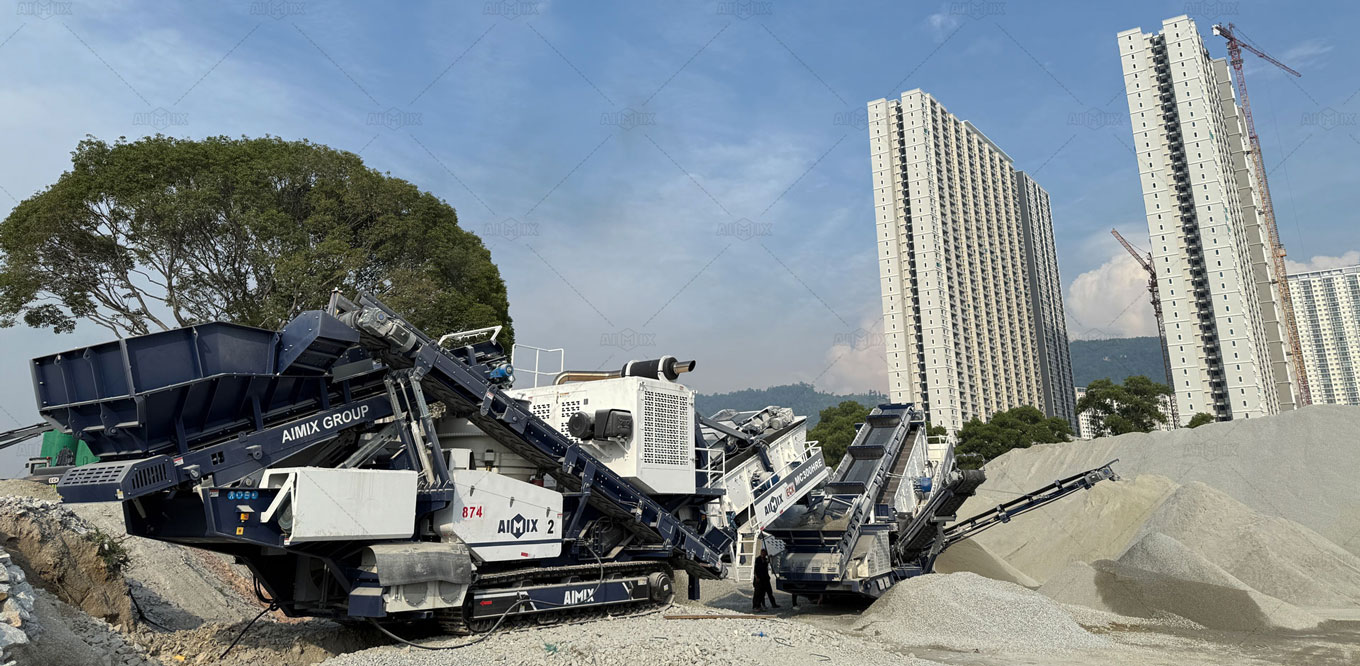
A track crusher can bring the crushing process closer to the road construction work, helping contractors process suitable raw materials near the point of use. The most effective setup depends on the feed material, production target, required aggregate sizes, and project layout.
For projects requiring continuous road aggregate production, the tracked crusher should be considered as part of the complete crushing and screening circuit. Matching the primary crusher, secondary crushing stage, screening equipment, and conveying system helps maintain a stable material flow and consistent finished aggregate production.