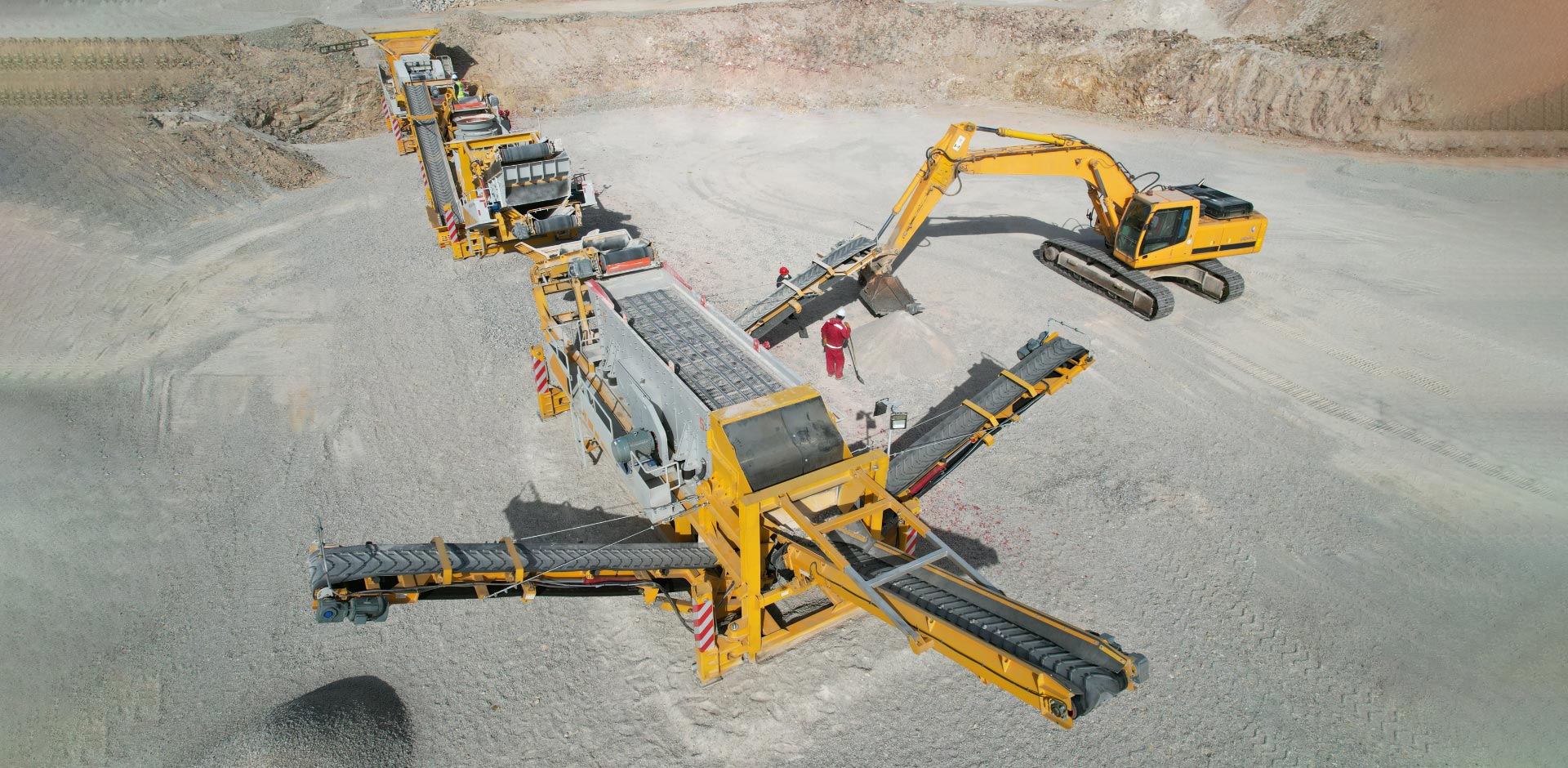
Operating raw material extraction sites in isolated geographical regions presents severe logistical, technical, and financial hurdles for modern infrastructure contractors. Constructing a permanent stone crushing plant in off-grid mountain terrain is often impossible due to astronomical capital costs, long civil work timelines, and extreme environmental restrictions. For civil engineers and heavy construction companies working far from established commercial supply chains, processing raw geological formations into high-grade, precisely graded aggregate requires a fundamental shift toward modular, high-agility processing equipment. This comprehensive case study explores how deploying a modern mobile stone crusher(trituradora de piedra móvil) transformed an isolated quarry operation into an efficient, highly profitable material production hub capable of meeting stringent civil engineering aggregate specifications.
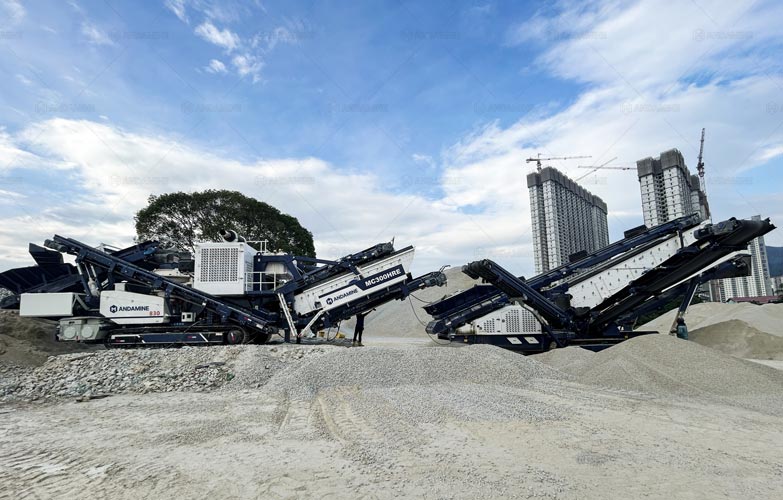
Project Background and Site Challenges
Setting up a remote processing site requires navigating extremely harsh terrain, severe seasonal weather variations, and total isolation from municipal public utilities. When lead engineering teams evaluated this specific quarry site, traditional raw material processing methods quickly proved technically unfeasible and cost-prohibitive.
Logistical Bottlenecks of External Supply
Hauling bulk aggregates from external commercial suppliers over hundreds of kilometers of unpaved, winding mountain access roads created astronomical freight expenses. Transporting raw gravel, crushed stone, and concrete aggregates accounted for more than half of the initial project material budget. Fuel consumption for heavy haul trucks was staggering, and frequent mechanical breakdowns on rough access roads created chronic material shortages on the construction line. Establishing a dedicated, localized material processing operation directly at the extraction pit was the only viable strategic alternative to maintain strict project construction schedules, stabilize raw material supply, and prevent massive budget overruns.
Environmental and Regulatory Constraints
The target quarry site was surrounded by ecologically sensitive mountain land, natural watersheds, and protected forestry zones, strictly prohibiting permanent civil engineering structures. Building a legacy stationary stone crushing plant(planta chancadora de piedra) would require pouring massive reinforced concrete foundations, erecting heavy steel superstructure framework, and enduring lengthy environmental permitting processes. Regulatory authorities estimated that environmental impact assessments and land clearing permits would delay site operations by over eighteen months before production could even start, threatening the financial viability of the entire infrastructure venture.
Selecting the Ideal Processing Machinery
Faced with strict environmental rules, remote access tracks, tight construction deadlines, and variable raw material deposits, project managers needed a completely self-contained processing setup capable of rapid deployment without prior civil site preparation.
Why Track-Mounted Equipment Was Chosen
When evaluating various heavy-duty stone crushers for sale on the global industrial machinery market, the project engineering team prioritized fully self-propelled track-mounted units over semi-mobile wheel-mounted options. The team realized that choosing an agile mobile stone crusher would allow the plant to walk directly off heavy lowboy transport trailers under its own onboard power and begin active rock crushing within hours. By comparing traditional options with modern stone crushers for sale, project buyers confirmed that track-driven units offered the highest return on investment for high-altitude quarry operations. By completely bypassing the need for poured concrete pads, heavy crane rentals, or permanent anchor bolts, the team saved over two months of setup time and hundreds of thousands of dollars in preliminary civil engineering costs.
Dual Recovery Circuit Integration
Beyond producing basic road construction aggregate and sub-base fill material, the site engineering team incorporated an innovative dual-purpose plant layout to maximize output value. Undersized pre-screened material and fine mineral runoff were directed into a compact mobile mining mill circuit. Integrating this specialized secondary mining mill processing unit allowed the operational team to capture valuable industrial mineral byproducts from the heavy overburden layer. By utilizing a compact mining mill(molino mineria) alongside primary crushing machinery, the project converted what would typically be quarry waste into saleable secondary mineral products, maximizing overall raw material monetary yield per extracted ton.
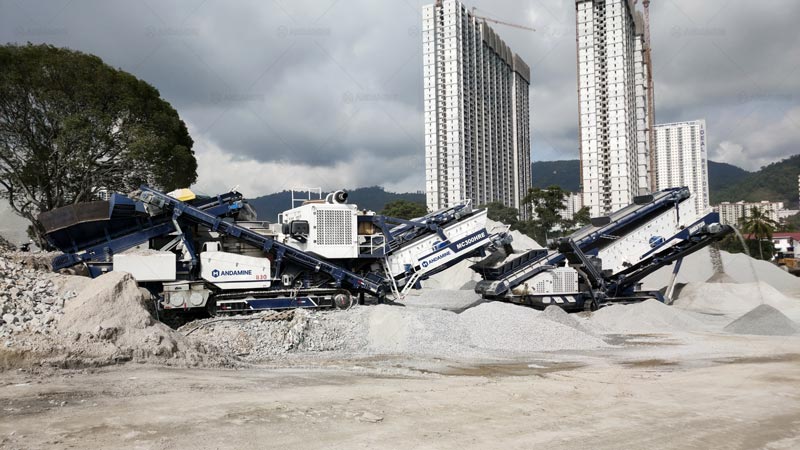
On-Site Commissioning and Technological Features
Deploying heavy industrial machinery in a remote mountainous zone usually demands weeks of field assembly, crane rentals, specialized technician dispatching, and tedious structural alignment work. The deployed mobile stone crusher dramatically streamlined this startup phase while delivering advanced operational controls and exceptional fuel economy.
Power Independence in Off-Grid Terrain
Operating miles away from high-voltage electrical grid ties required an independent, highly fuel-efficient power architecture capable of handling heavy shock loads from large blast rock. The deployed mobile stone crusher featured a state-of-the-art onboard hybrid diesel-electric generator pack equipped with intelligent variable-speed hydraulic drives. This hybrid setup consumed significantly less diesel fuel per ton of output compared to traditional fully hydraulic drive systems, reducing daily fuel transport logistics into the mountains and dramatically lowering operating carbon emissions.
Automated Smart Plant Management
An integrated PLC automation system continually monitored feeder vibration frequency, crusher cavity fill levels, mantle hydraulic pressure, and main bearing operating temperatures in real time. Automatic unblock systems instantly cleared cavity jams caused by uncrushable tramp metal without requiring manual intervention or operator risk. This sophisticated automated control system allowed a single machine operator to manage the entire multi-stage mobile stone crusher train safely from an air-conditioned cabin using a wireless handheld remote terminal.
Operational Performance and Production Yield Analysis
Over an eight-month continuous operation cycle, the equipment consistently outperformed target production benchmarks across all required aggregate fraction sizes, including manufactured sand, concrete stone, chip seal, and heavy base course material. The quantitative field data compiled below summarizes key performance metrics recorded during peak execution phases.
| Performance Parameter | Target Baseline | Actual Field Performance |
|---|---|---|
| Daily Aggregate Output | 1,500 Tons | 1,880 Tons |
| Fuel Consumption per Ton | < 0.60 Liters | 0.46 Liters |
| Overall Plant Uptime / Availability | 85.0% | 93.8% |
| Site Setup and Mobility Relocation Time | < 72 Hours | 28 Hours |
Economic Impact and Strategic Operational Advantages
Transitioning from commercial aggregate haulage to localized, on-site material processing yielded immediate financial, environmental, and operational benefits for the entire infrastructure development project. Replacing an expensive fixed stone crushing plant with an agile track unit eliminated long-distance aggregate transport costs, cutting total raw material expenditures by an impressive 42% in the first operating phase alone and fully amortizing the capital equipment investment within the first seven months.
Furthermore, when specific quarry bench faces were exhausted or geological seams shifted, operators simply engaged the integrated crawler tracks on the mobile stone crusher and moved the complete processing line to a new working face within hours. When comparing heavy equipment options, contractor teams browsing current stone crushers for sale(trituradoras de piedra en venta) should always evaluate total lifecycle mobility. This agile operational strategy completely eliminated plant dismantling expenses and prevented costly machinery downtime.
This highly successful field deployment demonstrates that modern self-propelled crushing units are far more than temporary equipment fixes. Installing a complete mobile stone crushing plant represents a permanent, high-ROI engineering solution for modern civil infrastructure, remote mining ventures, quarry expansion projects, and challenging aggregate production environments worldwide.