Finding the best concrete mixer requires evaluating your daily project site needs. Contractors working in island environments encounter unique logistics challenges every day. Narrow access roads, tropical weather, and supply delays slow down structural pours. Consequently, equipment buyers must compare machine types carefully before spending capital. This practical guide explains how to choose suitable concrete production machinery for tough job sites.
Regional Site Challenges and Logistics Considerations
Island building projects present specific physical hurdles that commercial ready-mix suppliers cannot always solve. Understanding local terrain and weather conditions helps managers make smart machinery choices.
Overcoming Transportation Delays and Narrow Roads
Commercial transit mixer trucks struggle on narrow coastal tracks and steep hill roads. Traffic jams in busy island towns often cause fresh concrete to set inside delivery drums. As a result, site crews waste valuable work hours waiting for delayed trucks to arrive. However, producing concrete on site solves supply delays and keeps workers productive all day. Furthermore, compact mobile machinery maneuvers smoothly through tight site alleys without getting stuck.
Managing Tropical Weather and Material Batching Control
Heavy tropical rainstorms interrupt pouring schedules without advance warning across island regions. High humidity and heat also affect chemical hydration reactions inside raw concrete mixes. Therefore, site managers need direct control over daily material batching timing. Mixing fresh concrete directly at the pour site prevents wasted material during sudden rainstorms. Consequently, operators adjust water ratios instantly when ambient weather conditions change on site.
Key Machine Types for Remote Building Projects
Contractors can choose from several mixer designs based on daily output targets. Each machine design offers distinct operational advantages for different building tasks.
High Operational Efficiency of a Concrete Self Loading Mixer
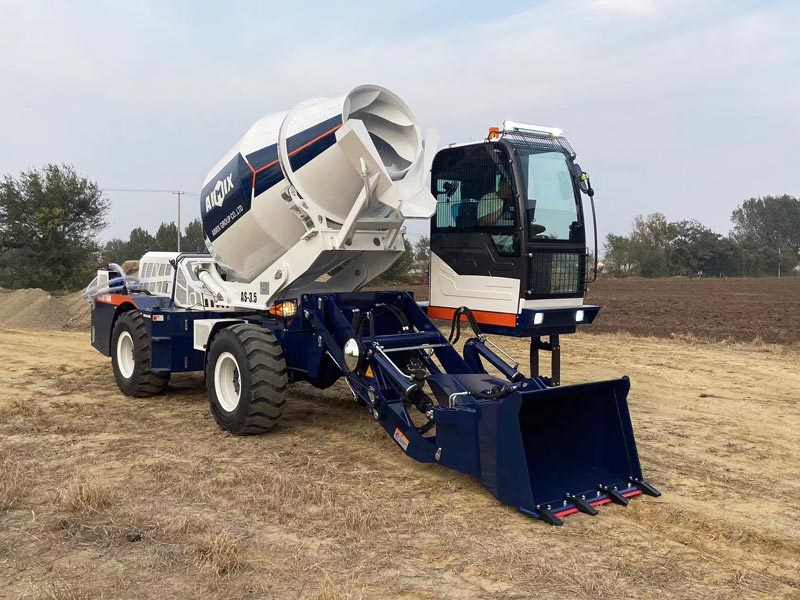
A concrete self loading mixer functions as an independent mobile batching system on site. First, the operator uses a front hydraulic shovel to scoop raw sand and gravel. Second, onboard digital scale sensors weigh aggregate materials inside the loading bucket accurately. Third, the onboard water tank injects exact liquid amounts into the drum automatically. Consequently, one single operator manages loading, weighing, mixing, and transport operations easily.
Flexibility of Mobile Concrete Mixers on Active Sites
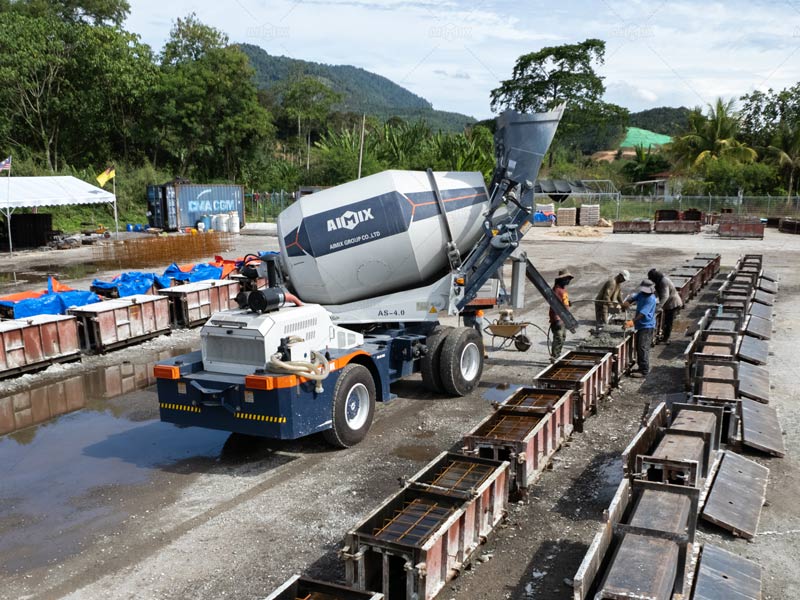
Deploying rugged mobile concrete mixers improves site mobility across spread-out infrastructure projects. These mobile units transport raw aggregates across long building corridors effortlessly. In addition, operators discharge fresh concrete right at the working pour face. This mobile setup eliminates long material haul trips within active site boundaries. Consequently, site teams maintain high concrete workability across distant foundation pour locations.
Finding a Concrete Mixer for Sale in Jamaica for Local Projects
Contractors operating in the Caribbean region need reliable machinery backed by local field support. Finding a suitable concrete mixer for sale in jamaica ensures quick access to essential replacement parts. Local equipment dealers provide vital assistance during unexpected mechanical breakdowns on remote sites. Furthermore, local parts stock reduces long shipping delays from overseas manufacturing warehouses. Therefore, choosing equipment with regional dealer coverage protects your long-term machinery investment.
Key Mechanical Features to Evaluate Before Buying
Hardware durability directly impacts daily job site uptime and long-term operating expenses. Buyers should inspect core mechanical systems carefully before signing final equipment purchase contracts.
Four-Wheel Drive Systems and Off-Road Performance
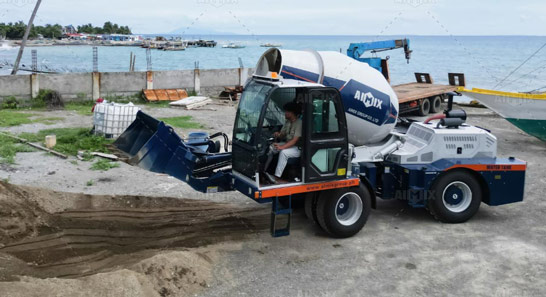
Off-road construction sites require durable four-wheel drive chassis systems and high ground clearance. Heavy-duty diesel engines supply continuous torque when climbing steep, unpaved hill inclines. In addition, sturdy steel chassis frames resist structural stress during heavy off-road driving. Consequently, contractors move raw aggregates safely across soft mud, sand, and loose gravel.
Digital Batching Scales and Slewing Drum Functions
Modern mobile units feature electronic load cells for precise aggregate measurement tasks. Accurate material weighing guarantees high structural strength for foundation slabs and load-bearing columns. Furthermore, advanced models feature a $270 \text{ degree}$ rotating drum mechanism. Operators turn the drum to discharge concrete directly into side trenches without moving the chassis. This flexible design speeds up daily pouring cycles in cramped urban spaces.
Practical Buying Guidelines and Daily Care
Evaluating total ownership costs helps site managers maximize daily machinery profitability over time. Smart buyers look beyond initial purchase prices when comparing different equipment quotes.
Reducing Daily Labor and Payroll Expenses
Traditional concrete batching requires separate wheel loaders and aggregate loading crews. Conversely, an automated mobile unit requires only one operator inside the cabin. Reducing required site personnel lowers daily payroll expenses and improves overall job site safety. In addition, modern diesel engines consume less fuel during daily mixing operations. Therefore, labor and fuel savings offset initial machinery purchase costs over active project contracts.
Maintaining Mixing Drums and Hydraulic Systems
Disciplined maintenance routines protect your equipment investment and extend component service life significantly. First, wash the mixing drum thoroughly after completing daily concrete pouring tasks. Hardened concrete buildup reduces total batch volume and damages internal drum blades over time. Second, inspect hydraulic oil filters and grease chassis pivot points during every operational shift. Clean hydraulic fluid prevents internal valve sticking and protects expensive hydraulic pumps from premature wear.
Conclusion
Selecting the best concrete mixer improves site independence, work quality, and operational profits significantly. Utilizing a versatile concrete self loading mixer lowers daily labor costs across active job sites. Furthermore, mobile batching eliminates commercial supply delays and guarantees fresh material on remote island projects. Choose rugged equipment backed by local service support to build a successful construction business today.