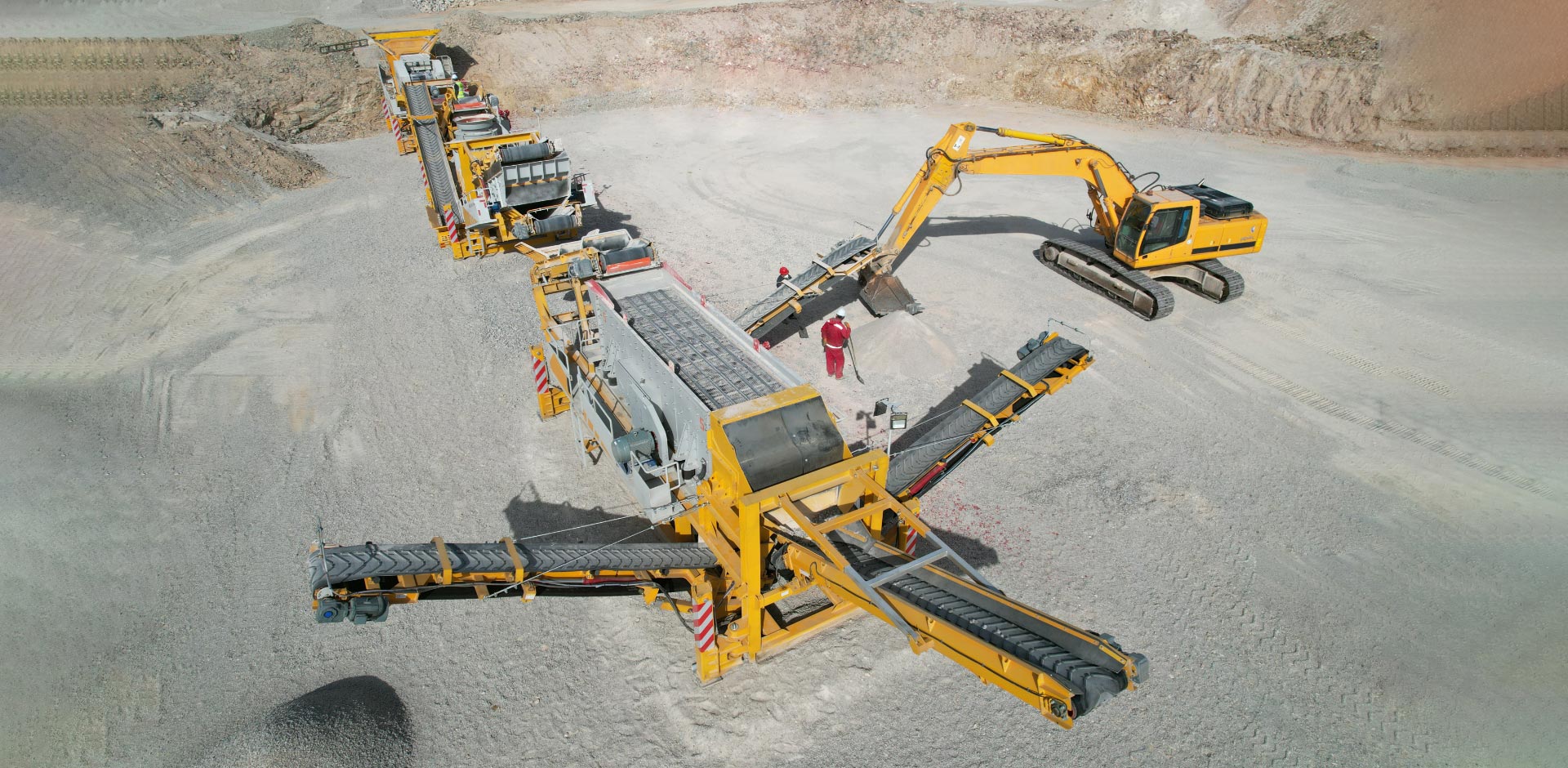
Choosing rock crushers for sale is only the first step in building an efficient crushing operation. A complete crushing line must be designed according to the feed size, rock hardness, required capacity, and final aggregate specifications. Granite, limestone, and basalt have different physical characteristics, so the same crusher configuration may not deliver the same results for every material. A properly designed crushing line combines feeding, primary crushing, secondary or tertiary crushing, screening, and conveying systems to achieve stable production and consistent product sizes.
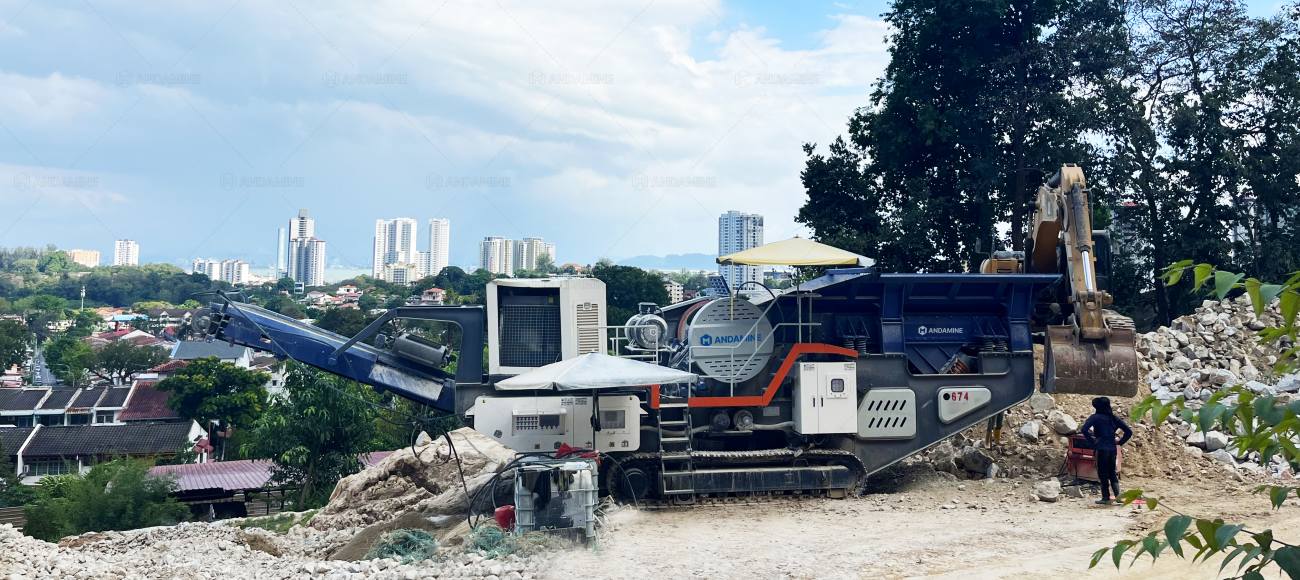
Start with the Raw Rock Characteristics
The first step in designing a crushing line is understanding the material entering the plant. Feed size, hardness, abrasiveness, moisture content, and rock structure all influence rock crusher for sale selection. Large quarry blasts may produce rocks ranging from several hundred millimeters to more than one meter, while some construction sites may receive already reduced material.
Rock hardness is particularly important. Granite and basalt are hard and abrasive materials that require robust crushing equipment and wear-resistant components. Limestone is generally easier to crush, although its hardness and moisture characteristics can vary depending on the deposit. Understanding these differences helps determine the appropriate crushing stages, crusher types, and wear-part specifications.
Choose the Primary Crusher According to Feed Size
The primary crusher receives the largest rocks and reduces them to a size suitable for secondary processing. Jaw crushers are widely used for this stage because they can handle large feed sizes and provide reliable reduction for quarry and mining applications.
For a hard-rock quarry, a properly selected jaw crusher can provide the initial size reduction required for downstream equipment. The crusher’s feed opening, maximum feed size, capacity, and discharge setting should all match the characteristics of the raw material. An oversized primary crusher can increase investment unnecessarily, while an undersized machine may restrict the capacity of the entire plant.
Configure Secondary Crushing for the Target Product
After primary crushing, secondary crushing further reduces the material and helps prepare it for screening or tertiary processing. Cone crushers are often suitable for hard and abrasive materials because they can provide consistent reduction under demanding operating conditions.
For applications requiring well-shaped aggregates or additional size reduction, impact crushers may also be incorporated into the process. The choice depends on the rock properties and the final product requirements. The secondary crusher should be selected together with the primary crusher rather than treated as an independent piece of equipment.
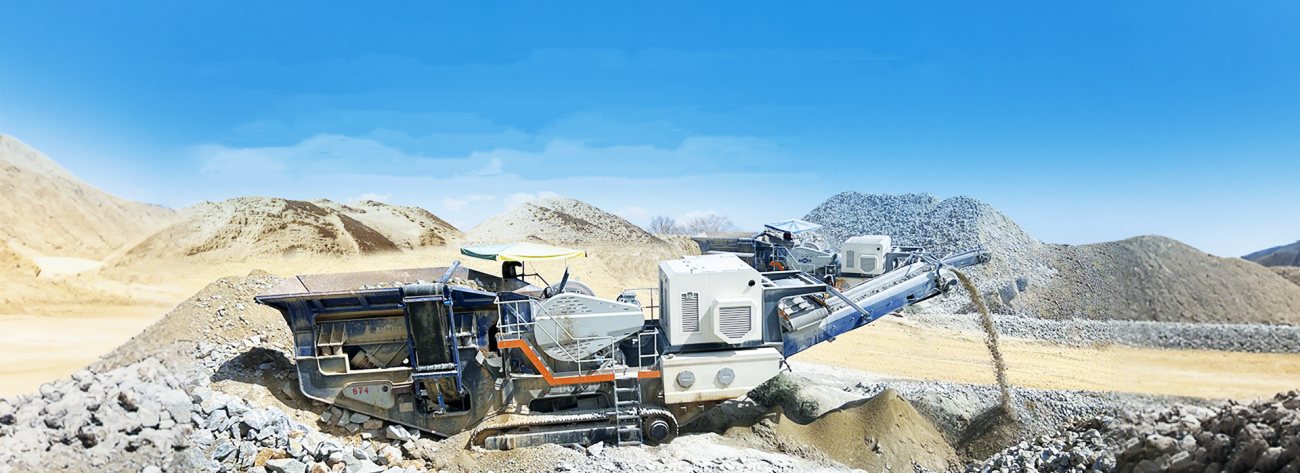
How a Granite Rock Crusher Line Should Be Designed
A granite rock crusher line needs to account for granite’s high hardness and abrasiveness. A typical configuration may use a jaw crusher for primary crushing followed by a cone crusher for secondary or tertiary reduction. Screening equipment separates the material into different aggregate sizes, while oversized particles can be returned to the crusher for further processing.
Wear resistance is especially important when processing granite. Jaw plates, cone liners, and other wear components experience significant abrasion during continuous production. Selecting suitable wear parts and establishing a regular maintenance schedule can help maintain stable crushing performance and reduce unexpected downtime.
If the final application requires manufactured sand or particularly well-shaped aggregate, an additional shaping stage may be added after conventional crushing. This allows the crushing line to be adjusted according to the specifications required by concrete, asphalt, or other construction applications.
How a Limestone Crusher Line Can Be Configured
Limestone generally requires less crushing force than hard granite or basalt, allowing the production line to be configured differently. Depending on the feed size and required output, a jaw crusher may be used for primary reduction, followed by an impact crusher or cone crusher for secondary processing.
A limestone crusher line should focus on achieving the required particle size while avoiding unnecessary crushing stages. If the final product consists mainly of coarse aggregates, fewer crushing stages may be sufficient. If several fine fractions are required, additional screening and crushing may be necessary.
Because limestone can contain moisture or clay depending on the quarry deposit, the feeding and screening systems should also be considered carefully. Removing excessive fines before crushing can improve material flow and reduce unnecessary load on the main crusher.
How a Basalt Crusher Line Handles Hard and Abrasive Material
Basalt is another hard and abrasive rock that requires durable crushing equipment. A basalt crusher line commonly uses a jaw crusher for primary crushing and a cone crusher for subsequent reduction. The equipment should be selected according to the required capacity and final aggregate specifications.
Because basalt can generate significant wear during continuous processing, the crushing line should provide convenient access to wear components and maintenance areas. Regular inspection of liners, crusher settings, bearings, and screening equipment can help maintain production efficiency.
For road construction and high-quality aggregate production, the final product shape may also be important. A tertiary crushing or shaping stage can be considered when the application requires more controlled particle shape and gradation.
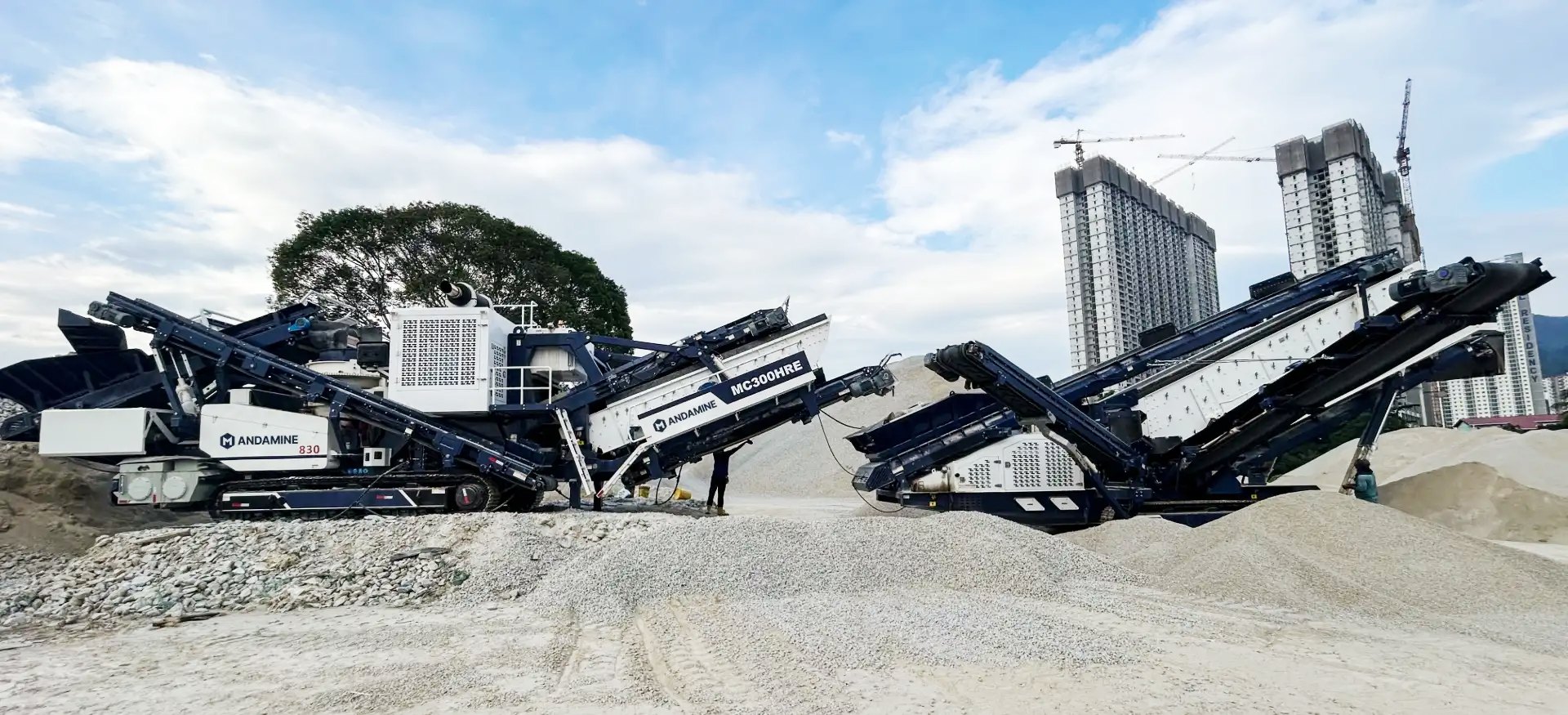
Use Screening to Control Final Aggregate Sizes
Screening is essential when a crushing plant needs to produce multiple aggregate sizes. After crushing, vibrating screens separate material according to particle size and send each fraction to the appropriate stockpile or downstream process.
The screen configuration should correspond to the number of final products required. A project producing several aggregate specifications may need multiple screen decks, while a simpler application may require fewer. Screen capacity must also match the crusher output so that screening does not become a bottleneck.
Oversized material can be returned to the appropriate crusher through a closed-circuit arrangement. This allows the plant to maintain tighter control over final product sizes and reduce the amount of oversize material leaving the production line.
Match the Crushing Line to Final Product Requirements
The final aggregate specification should be determined before selecting the complete crushing line. Different applications require different combinations of particle sizes, gradation, and shape. Road base may require a different product distribution from concrete aggregate, asphalt aggregate, or manufactured sand.
If only one coarse product is required, a relatively simple crushing and screening configuration may be sufficient. Producing multiple sizes or finer materials requires additional screening and potentially another crushing stage. Designing around the final product prevents investors from purchasing equipment that does not contribute directly to the required output.
Consider Material Flow and Overall Plant Capacity
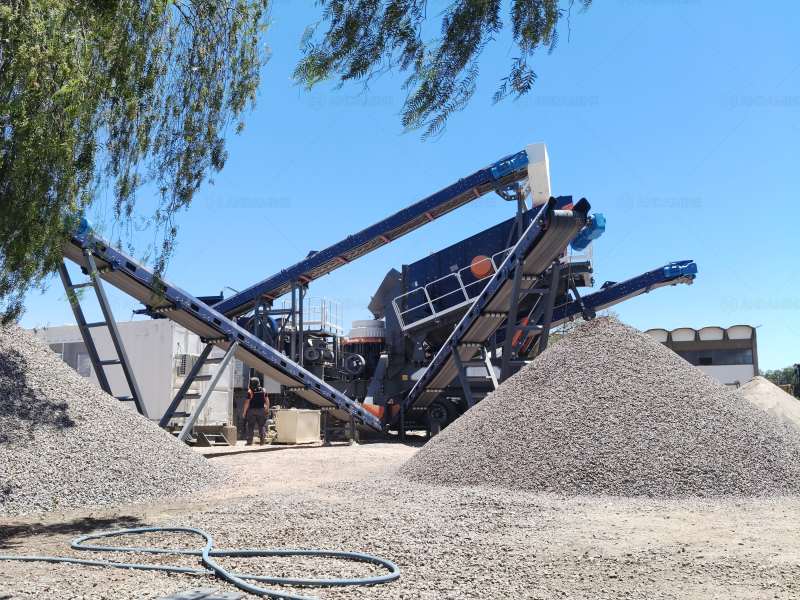
A crushing line should operate as one coordinated system rather than a collection of individual machines. The feeder, primary crusher, secondary crusher, screens, conveyors, and stockpiles must have compatible capacities. If one component has significantly lower capacity than the rest, it can become a bottleneck and reduce the output of the entire plant.
Material flow should also be considered when planning the plant layout. Short and efficient conveying routes can reduce material handling requirements, while sufficient stockpile space helps maintain continuous production. For projects with changing rock sources or temporary production requirements, mobile crushing equipment can provide additional flexibility.
Conclusion
Designing a crushing line for different rock sizes and product requirements requires more than selecting individual rock crushers for sale. The raw material, feed size, hardness, required capacity, final aggregate specifications, and site conditions should all be considered together. A granite rock crusher line typically requires strong and wear-resistant equipment, while a limestone crusher configuration may use a simpler reduction process depending on the required products. A basalt crusher line needs to account for high hardness and abrasive wear. By coordinating primary and secondary crushing with screening, conveying, and appropriate material handling systems, operators can build a crushing line that delivers stable production and consistent aggregate quality.