The cost of concrete batching plant is influenced by much more than the plant’s production capacity. The selection of core components, including the concrete mixer, cement silo, and aggregate storage and feeding system, plays a significant role in determining both the initial investment and long-term operating costs. While choosing lower-cost equipment may reduce the purchase price, it can also affect production efficiency, maintenance requirements, and concrete quality. For investors developing a concrete batching plant business plan or expanding operations in markets such as concrete batching plant Indonesia and concrete batching plant in Malaysia, understanding how these components impact the total investment is essential for making a profitable decision.
Why Equipment Selection Matters to the Total Plant Cost
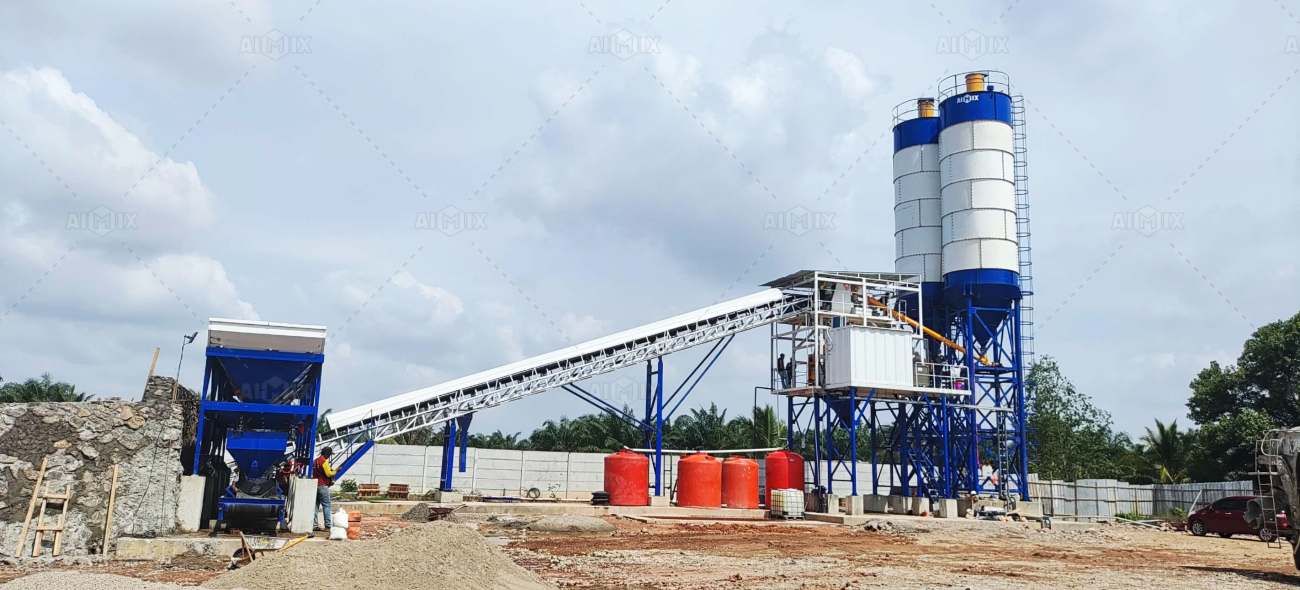
Every concrete batching plant is designed around several key systems that work together to produce consistent, high-quality concrete. The mixer, cement storage system, aggregate handling equipment, weighing system, and control platform all contribute to the total project cost.
Rather than focusing only on the purchase price, investors should evaluate the overall value of each component. High-quality equipment generally offers better durability, lower maintenance costs, and more stable production over its service life. A well-balanced configuration often provides greater long-term savings than selecting the least expensive equipment available.
Choosing the Right Concrete Mixer
The mixer is the heart of every batching plant and has a direct impact on the cost of concrete batching plant. Different mixer types are designed for different production requirements.
Twin-shaft concrete mixers are the most popular choice for commercial concrete production because they provide excellent mixing efficiency, high output, and consistent concrete quality. They are suitable for ready-mix plants, infrastructure projects, and large commercial construction.
Planetary mixers are commonly selected for precast concrete production because they produce highly uniform concrete and perform well with specialty mixes. Although their purchase cost may be higher, they deliver excellent mixing quality for demanding applications.
Choosing the appropriate mixer should be based on production capacity, concrete quality requirements, and future business development rather than equipment price alone.
Selecting Cement Silos for Efficient Material Storage
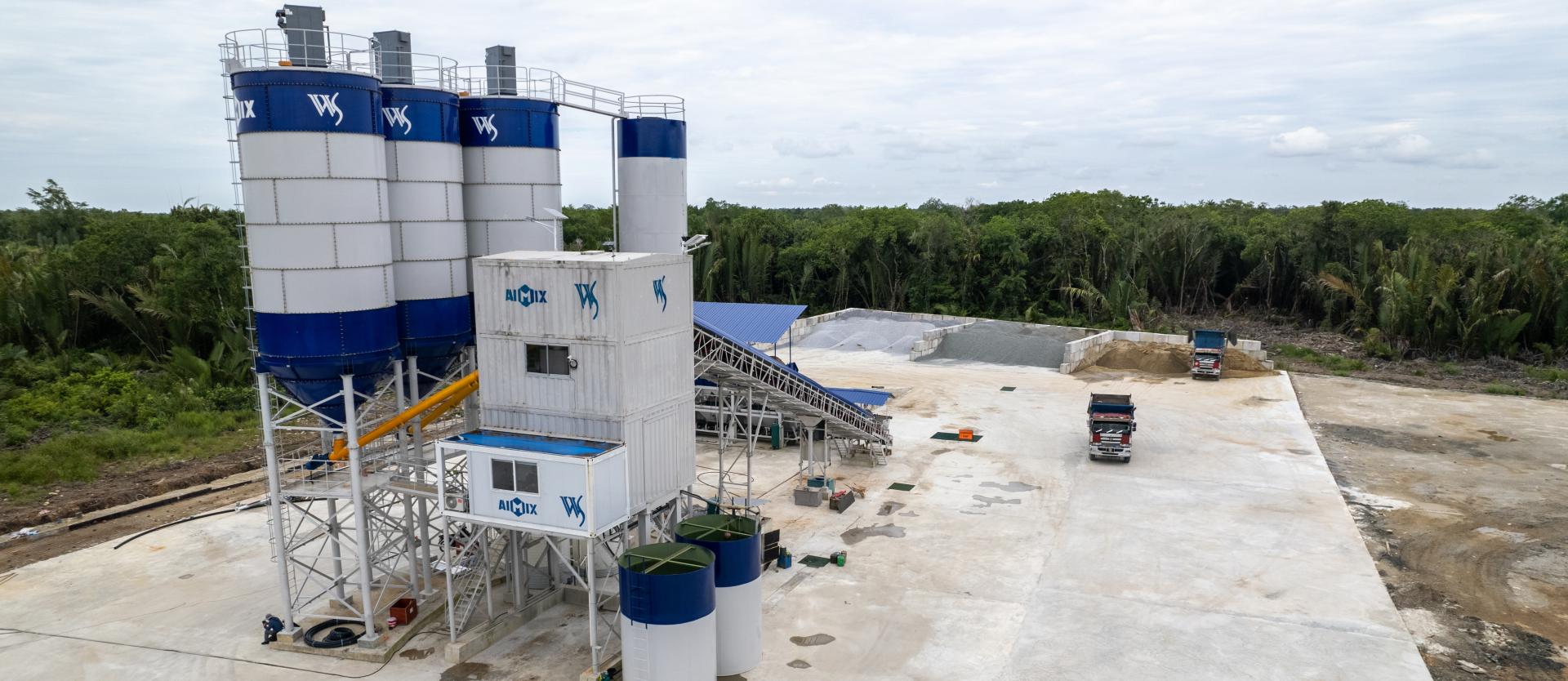
Cement storage capacity also influences the cost of concrete batching plant. Cement silos are available in various sizes, including 50-ton, 100-ton, 200-ton, and larger capacities depending on production requirements.
Smaller projects may only require one cement silo, while commercial ready-mix plants often install multiple silos to store different cement types and ensure continuous production. Larger storage capacity reduces the frequency of cement deliveries and improves production stability during periods of high demand.
Investors should also consider accessories such as screw conveyors, level indicators, dust collectors, safety valves, and cement weighing systems, as these components contribute to reliable plant operation and environmental compliance.
Optimizing the Aggregate Storage and Feeding System
The aggregate system is another important factor affecting both plant performance and investment cost. Aggregate bins, feeding methods, conveyors, and weighing systems should be selected according to production capacity and available site space.
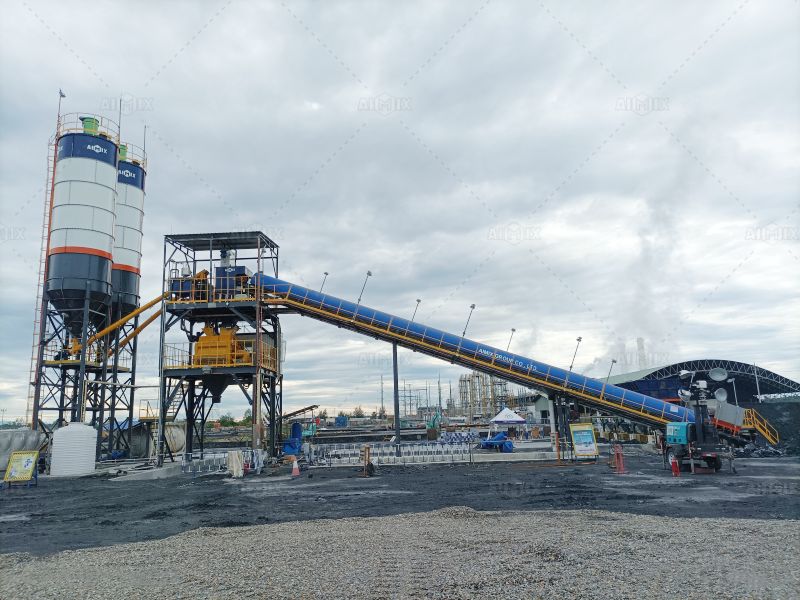
Hopper-fed batching plants are generally suitable for small and medium-sized projects because they occupy less land and require a relatively simple feeding system. Belt conveyor systems, on the other hand, provide higher production efficiency and continuous material transportation, making them ideal for larger commercial batching plants.
Well-designed aggregate storage systems reduce material segregation, improve weighing accuracy, and minimize production interruptions, resulting in lower operating costs throughout the plant’s lifetime.
Balancing Initial Investment and Long-Term Operating Costs
Many buyers focus primarily on reducing the initial cost of concrete batching plant, but long-term operating expenses are equally important. Durable components, energy-efficient motors, and reliable automation systems can significantly reduce maintenance, labor, and energy costs over many years of operation.
For example, investing in a high-quality twin-shaft mixer may increase the purchase price, but its faster mixing cycles and lower wear rates often improve productivity and reduce maintenance expenses. Likewise, automated batching systems improve weighing accuracy, reduce material waste, and ensure consistent concrete quality.
Evaluating total ownership cost rather than initial purchase price helps investors achieve stronger long-term profitability.
Equipment Selection in a Concrete Batching Plant Business Plan
Developing a comprehensive concrete batching plant business plan requires careful equipment selection based on expected production demand and future expansion goals. Investors should estimate concrete consumption, target customer groups, transportation logistics, and available raw material supply before choosing plant components.
A scalable plant configuration allows businesses to increase production capacity by adding additional cement silos, aggregate bins, or storage facilities as market demand grows. Planning for future expansion during the initial investment stage is usually more economical than making major modifications later.
A detailed business plan should also include equipment depreciation, maintenance schedules, spare parts planning, and operating cost projections to support sustainable business development.
Meeting Market Requirements in Indonesia and Malaysia
The demand for concrete batching plant Indonesia continues to grow as the country invests in transportation infrastructure, industrial facilities, residential developments, and its new capital city projects. Many contractors require flexible batching solutions capable of operating efficiently across different islands and remote construction locations. Mobile and modular configurations are increasingly popular because they simplify transportation and installation.
Similarly, the market for concrete batching plant in Malaysia remains strong due to ongoing infrastructure development, commercial construction, and ready-mix concrete production. In regions with high humidity and frequent rainfall, reliable material storage systems, corrosion-resistant components, and stable automation become particularly important for maintaining consistent plant performance.
Selecting equipment that matches local working conditions helps improve production reliability while reducing maintenance requirements and operating costs.
Conclusion
The cost of concrete batching plant depends not only on production capacity but also on selecting the right mixer, cement silo, and aggregate handling system. Choosing durable, efficient, and scalable equipment can significantly improve productivity while reducing long-term operating expenses. Whether preparing a concrete batching plant business plan, investing in a concrete batching plant Indonesia project, or expanding a concrete batching plant in Malaysia, carefully balancing initial investment with long-term operational performance is the key to building a profitable and sustainable concrete production business.
“`