Selecting a stationary asphalt batch plant as the primary hot mix plant for highway construction requires balancing layout geometry, thermal storage capacity, and batching efficiency. High-tonnage highway projects demand uninterrupted material flow and precise job-mix compliance over extended shifts. Poor site planning or misjudged plant sizing leads to severe truck bottlenecks, aggregate starvation in hot bins, and costly jobsite downtime. Evaluating plant layout, hot bin management systems, and surge silo capacity allows buyers to verify whether a hot mix plant can reliably meet daily tonnage targets.
Site Layout Geometry and Truck Dispatch Synchronization
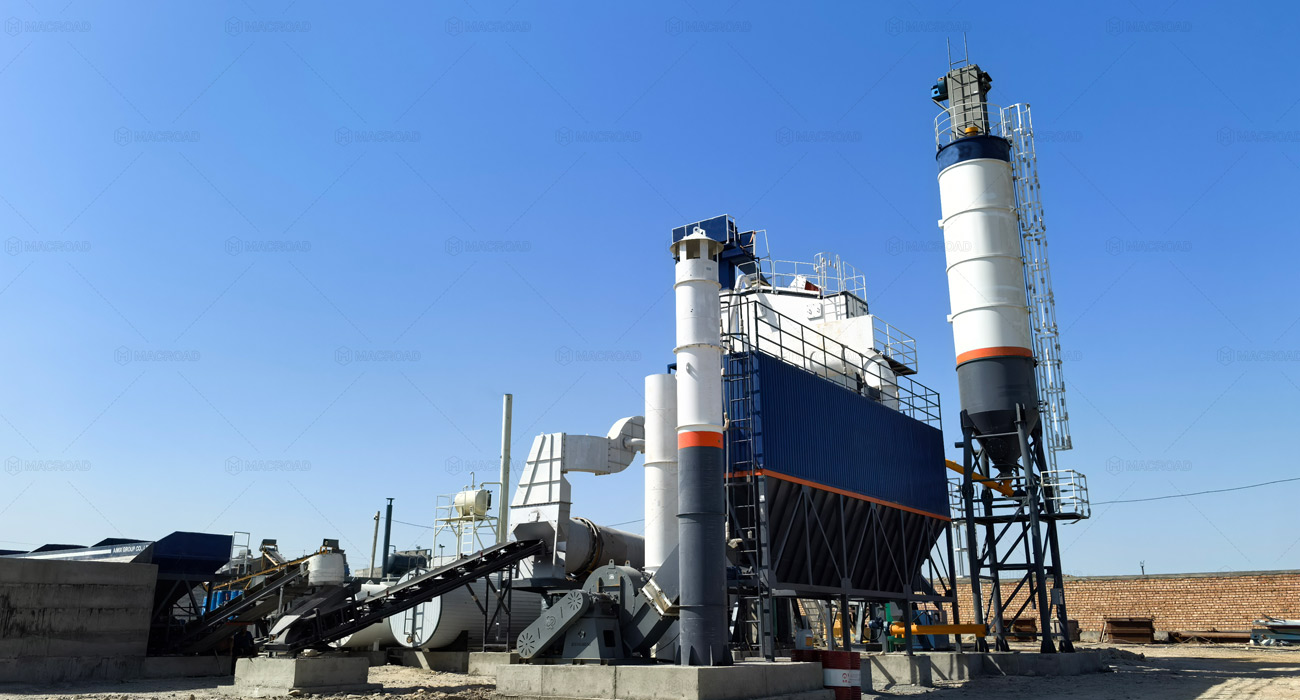
Sustaining continuous output on large-scale highway construction depends heavily on site circulation design and haul truck logistics. A well-designed stationary asphalt batch plant layout separates aggregate delivery traffic from outgoing hot mix haulers, preventing site congestion and reducing cycle times. Double-vehicle entry scales, wide turn radii, and drive-through loading bays allow trucks to position under discharge silos rapidly, maintaining a steady delivery rhythm to the paver.
Integrating a multi-silo storage configuration with fast-acting batching gates ensures that the hot mix plant buffers production against minor haul truck delays. When buyers evaluate an asphalt batching plant, they must verify that total silo capacity equals at least three to four hours of peak plant output. This storage cushion allows continuous pugmill operation during traffic delays on highway routes, preventing mix cooling and maintaining predictable dispatch schedules throughout peak paving shifts.
Hot Bin Volume Management and Dynamic Screening Balance
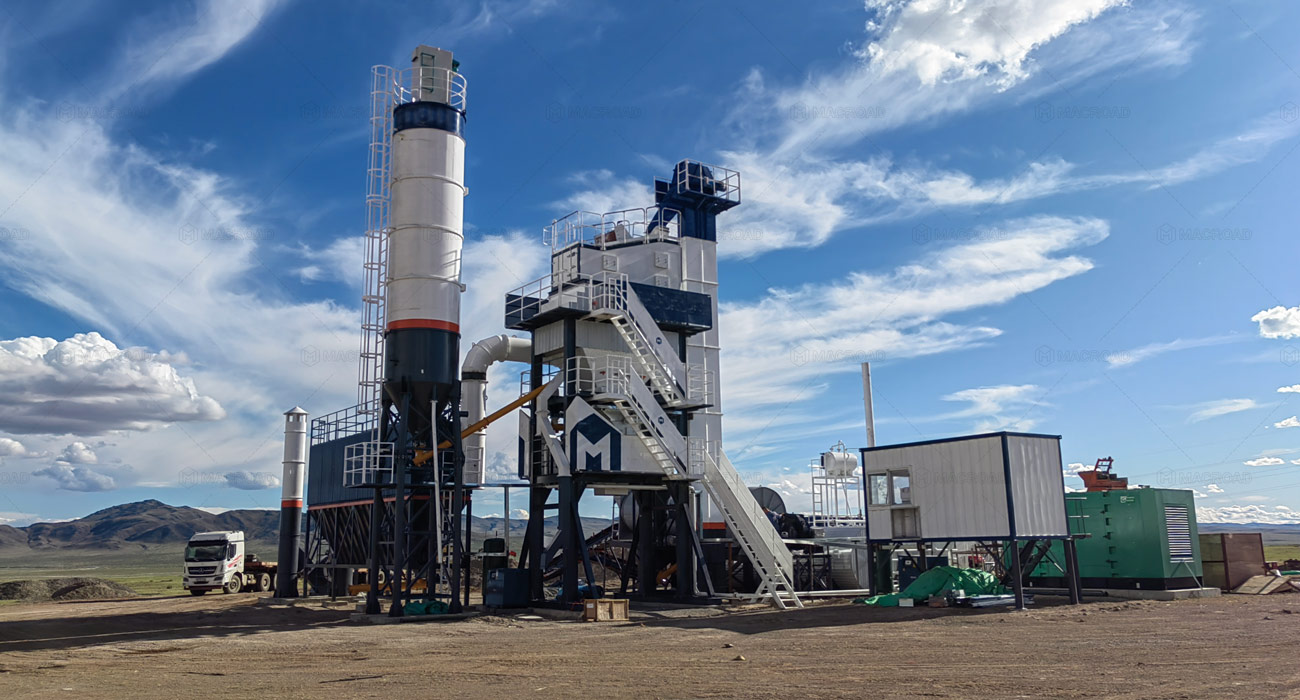
Hot bin management is a critical factor influencing production rhythm and batch stability in a stationary asphalt batch plant. During high-tonnage highway construction, improper screen deck selection or incorrect cold feeder calibration causes specific hot bins to overflow while others run empty. This imbalance triggers automatic plant pauses, forcing operators to wait for raw material re-heating and causing severe production downtime.
To avoid aggregate starvation, modern plants utilize multi-deck vibrating screens with custom-tailored screen mesh sizes matching project specifications. High-resolution continuous level sensors inside each hot bin feed real-time data back to the central PLC system. This automation dynamically adjusts cold feed belt speeds, maintaining balanced material ratios across all bins. Proper sizing of hot bin storage capacity guarantees smooth batching cycles, steady burner operation, and consistent aggregate gradation across every load.
Sizing Verification Against Daily Highway Tonnage Targets
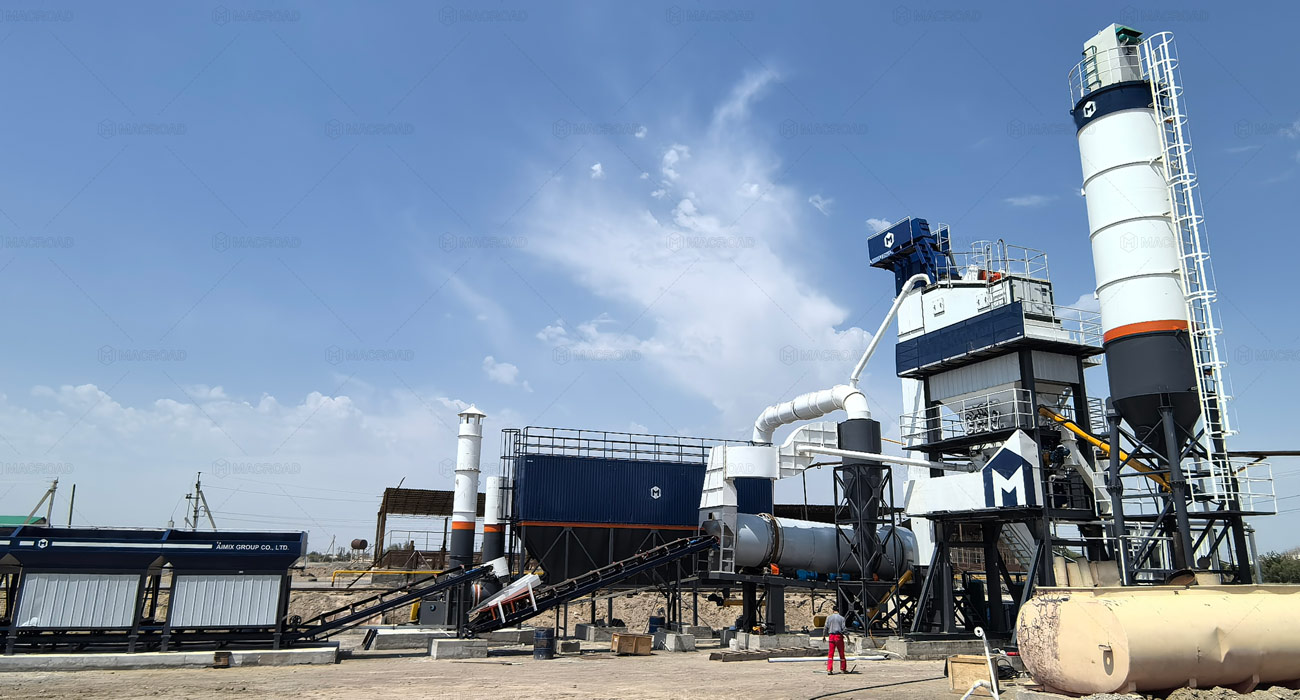
Determining whether a stationary asphalt batch plant is truly matched to highway construction demands requires analyzing real-world batch cycle times rather than relying on theoretical ratings. Buyers must calculate net hourly tonnage based on actual pugmill mixing time, gate open/close intervals, and weigh hopper discharge speeds. A plant rated for nominal capacity must demonstrate that its burner heating output, draft fan airflow, and bitumen pumping rate can sustain that rate continuously.
A reliable sizing formula accounts for aggregate moisture content, ambient air temperatures, and required mix discharge temperatures. If aggregate moisture exceeds baseline levels, drying drum efficiency drops, creating a bottleneck that starves the hot bins. Buyers should select an asphalt batching plant with thermal reserves, high-efficiency burners, and heavy-duty twin-shaft mixers. Matching these core components against peak project demands ensures the hot mix plant achieves daily tonnage targets without overheating or incurring mechanical downtime.
Conclusion
Maximizing productivity on highway construction contracts requires selecting a stationary asphalt batch plant engineered for continuous high-tonnage performance. Optimizing site traffic flow, balancing hot bin storage, and verifying real-world burner and mixing capacity prevents costly production bottlenecks. By evaluating site layout geometry and thermal capabilities upfront, contractors ensure their hot mix plant delivers stable output quality, maintains haul truck rhythms, and meets demanding project deadlines reliably.